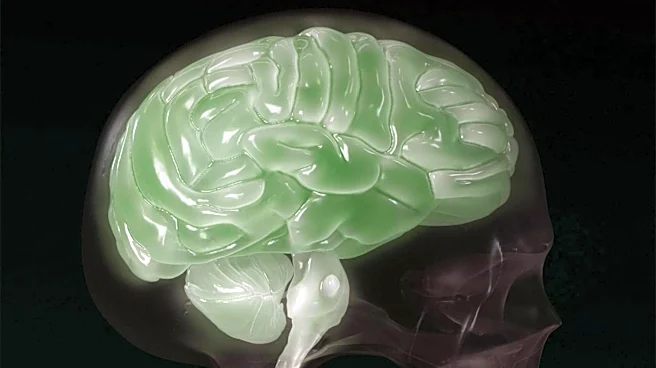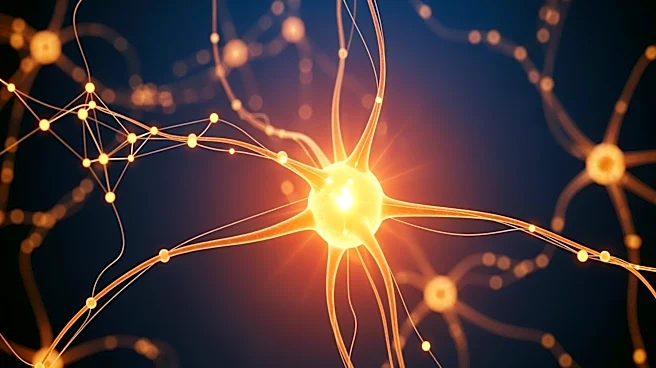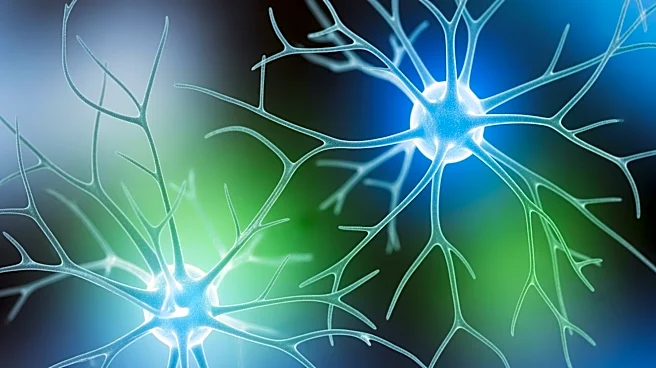



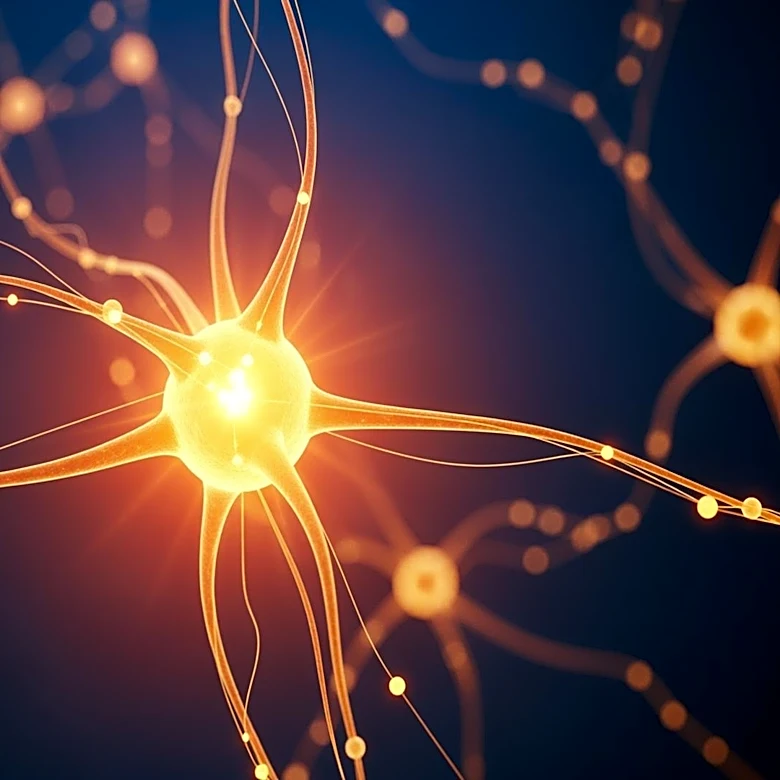



The concept of neuroplasticity has undergone significant evolution over the years. Initially, the brain was thought to be a static organ, with its structure and function fixed after a certain age. However, groundbreaking research and experiments have gradually reshaped this understanding, highlighting the brain's remarkable ability to adapt and reorganize itself throughout life.
Early Theories and Discoveries
The term 'plasticity' was first applied to behavior in 1890 by William
James in "The Principles of Psychology." James described plasticity as a structure weak enough to yield to an influence but strong enough not to yield all at once. Despite this early mention, the idea that the brain could change its structure and function was largely neglected for many years.
One of the first experiments providing evidence for neuroplasticity was conducted in 1793 by Italian anatomist Michele Vincenzo Malacarne. He trained animals extensively and found that the cerebellums of the trained animals were substantially larger than those of untrained animals. However, these findings were eventually forgotten. It wasn't until the 20th century that the idea of neuroplasticity began to gain traction.
Pioneering Research and Acceptance
In the early 1900s, Santiago Ramón y Cajal, a pioneering neuroscientist, used the term 'neuronal plasticity' to describe nonpathological changes in the structure of adult brains. Cajal's work laid the foundation for the concept of neural plasticity, although it was controversial at the time.
The acceptance of neuroplasticity as a valid concept gained momentum in the latter half of the 20th century. In 1923, Karl Lashley conducted experiments on rhesus monkeys that demonstrated changes in neuronal pathways, providing further evidence of plasticity. Despite this, the idea was not widely accepted until later.
Modern Understanding and Impact
The modern understanding of neuroplasticity has been shaped by numerous studies and discoveries. In the 1960s, Paul Bach-y-Rita invented a device that allowed blind individuals to perceive visual information through tactile stimulation, demonstrating the brain's ability to adapt to new sensory inputs. This work, along with studies on stroke recovery and changes in hippocampal structure, has solidified the concept of neuroplasticity in neuroscience.
Today, neuroplasticity is recognized as a fundamental aspect of brain function, with implications for learning, memory, and recovery from brain injuries. The historical evolution of neuroplasticity reflects a shift from viewing the brain as a static organ to understanding it as a dynamic and adaptable system. This understanding continues to drive research and innovation in neuroscience, offering new possibilities for rehabilitation and therapy.