







Constructivist teaching methods have revolutionized the way educators approach learning by focusing on active student engagement and knowledge construction. These methods emphasize the importance of students being actively involved in their learning process, rather than passively receiving information. This article explores the practical application of constructivist teaching methods and the activities that define this approach.
Key Activities in Constructivist Classrooms
Constructivist classrooms
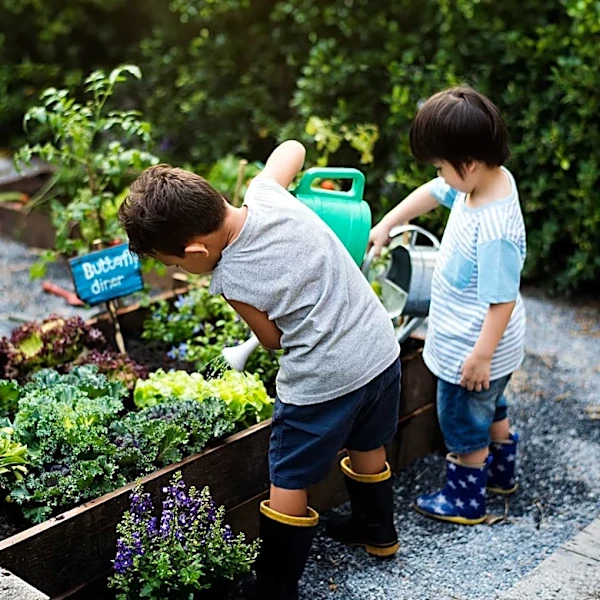
are characterized by a variety of activities that encourage students to explore, discuss, and reflect on their learning. One common activity is experimentation, where students conduct experiments individually and then come together as a class to discuss their findings. This approach not only reinforces scientific concepts but also promotes collaboration and communication among students.
Research projects are another staple of constructivist teaching methods. Students are encouraged to investigate topics of interest, gather information, and present their findings to the class. This process helps students develop critical thinking and research skills, as well as the ability to communicate their ideas effectively. Field trips are also frequently used to provide real-world context to classroom learning, allowing students to connect theoretical concepts with practical experiences.
The Role of Discussion and Collaboration
Discussion and collaboration are central to constructivist teaching methods. Class discussions provide students with the opportunity to articulate their thoughts, ask questions, and engage with their peers' ideas. This interactive process helps students deepen their understanding of the material and develop their ability to think critically.
Collaborative activities, such as group projects and peer teaching, further enhance the learning experience. These activities require students to work together, share knowledge, and support each other's learning. By engaging in collaborative tasks, students learn to appreciate diverse perspectives and develop essential social skills that are valuable beyond the classroom.
Assessment in Constructivist Classrooms
Assessment in constructivist classrooms goes beyond traditional testing methods. Teachers use a variety of assessment strategies to evaluate student learning, including oral discussions, mind mapping, and hands-on activities. These assessments provide a more comprehensive view of student progress by considering their ability to apply knowledge in different contexts.
Pre-testing is also used to gauge students' prior knowledge and tailor instruction to meet their needs. This approach ensures that learning is personalized and relevant, allowing students to build on their existing knowledge base. By focusing on meaningful assessment, constructivist teaching methods help students develop a deeper understanding of the material and foster a lifelong love of learning.