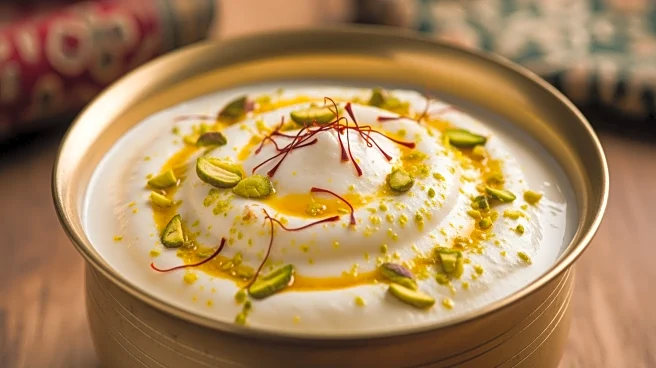

Shrikhand is a beloved dessert in Indian cuisine, particularly in the regions of Gujarat and Maharashtra. Made from strained yogurt, this sweet dish holds a special place in traditional meals and celebrations.
Its unique preparation and rich flavors make it a staple in Indian culinary traditions, often served as part of a thali or alongside puris.
Historical Roots of Shrikhand
Shrikhand's origins are deeply rooted in Indian history, with references dating back to ancient texts. According to food historian K. T. Achaya, shrikhand was first made around 500 BC. The process of dewatering curd by hanging it in a muslin bag and adding sugar and spices to create shikharini, which is identical to modern-day shrikhand, was noted during this time. This method of preparation has been preserved through centuries, highlighting the dish's enduring appeal.
The 11th-century Kannada poet Chavundaraya II also documented a recipe for shikharini in his book on agriculture, the Lokopakara. This historical mention underscores the dish's longstanding presence in Indian culinary practices. Additionally, the Soopa Shastra, a cookbook written in 1508 by the Jain king Mangarasa III, includes shrikhand, further cementing its place in the annals of Indian cuisine.
Shrikhand in Gujarati and Marathi Traditions
Both Gujaratis and Maharashtrians claim the invention of shrikhand, and it is a traditional dessert in both cuisines. The dish is often served as part of a thali, a platter that includes various dishes, or with puris, puffed deep-fried whole wheat bread. This pairing enhances the dining experience, offering a balance of flavors and textures.
Shrikhand's preparation involves straining yogurt to remove whey, resulting in a thick, creamy base. Sugar, saffron, and cardamom are then added, creating a rich and aromatic dessert. The mixture is whisked to blend the flavors and achieve a smooth texture, then chilled before serving. Garnishing with almonds or pistachios adds a delightful crunch and visual appeal.
Modern-Day Enjoyment of Shrikhand
Today, shrikhand continues to be a popular choice for festive occasions and family gatherings. Its versatility allows for variations, such as mango-flavored or rose-flavored shrikhand, catering to diverse tastes. Despite its ancient origins, shrikhand remains a cherished part of Indian culinary heritage, celebrated for its simplicity and depth of flavor.
The enduring popularity of shrikhand is a testament to its cultural significance and the skillful artistry involved in its preparation. As Indian cuisine evolves, shrikhand stands as a symbol of tradition, connecting generations through shared culinary experiences.