
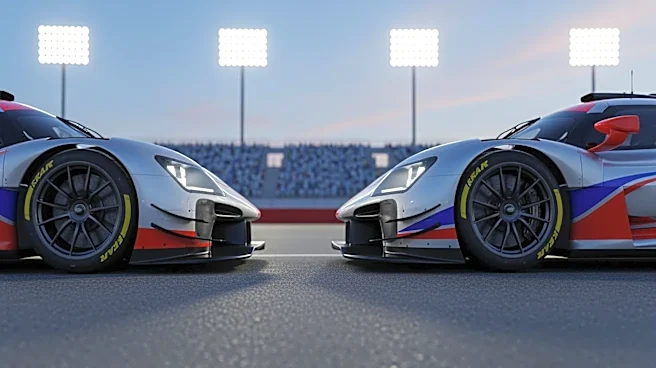
TCR Touring Cars are known for their unique blend of production-based design and racing modifications. Introduced in 2014, the TCR specification has become a popular choice for touring car racing worldwide. This article delves into the technical aspects of TCR Touring Cars, exploring the regulations and modifications that make these vehicles competitive on the racetrack.
Engine and Drivetrain Specifications
At the heart of every TCR Touring Car is a turbocharged engine, with a displacement
ranging from 1.75 to 2.0 liters. These engines are designed to deliver a balance of power and efficiency, making them suitable for the demands of touring car racing. The power output is typically around 355 PS, with a torque of 420 Nm, providing the necessary performance for competitive racing.
The drivetrain layout for TCR cars is front-wheel drive, which is a common configuration for production-based vehicles. This layout is retained in the TCR specification, allowing manufacturers to use existing production components. The gearbox can either be a production model or a TCR International Series sequential gearbox, with production paddle shifts also accepted. This flexibility in drivetrain components helps keep costs down while maintaining performance.
Body and Suspension Modifications
TCR Touring Cars are based on 4- or 5-door production vehicles, with the body shell and suspension layout largely retained from the original design. However, certain modifications are allowed to enhance performance on the racetrack. The body shell is reinforced to withstand the stresses of racing, and wheel arch modifications are permitted to accommodate racing tires.
The suspension system is another area where modifications are allowed. The front suspension retains the production layout, but parts are free for design, allowing teams to optimize handling and performance. The rear suspension must maintain the original design of the production car, but reinforced components can be used to improve durability and performance.
Aerodynamics and Braking Systems
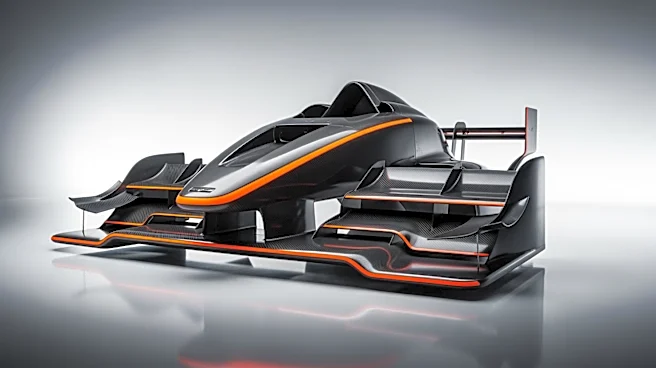
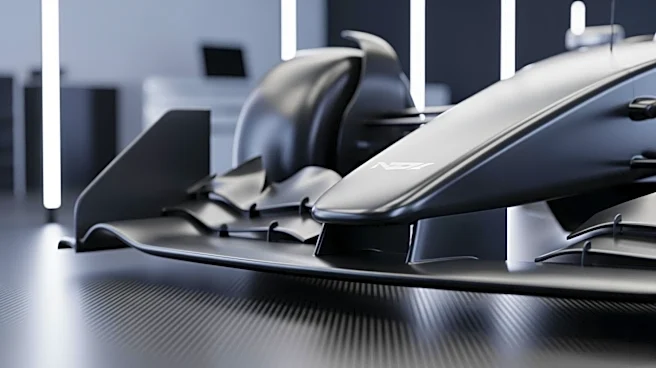
Aerodynamics play a crucial role in the performance of TCR Touring Cars. The front splitter and rear wing are standardized components, derived from the 2014 SEAT León Eurocup. These aerodynamic elements help improve downforce and stability at high speeds, contributing to the car's overall performance.
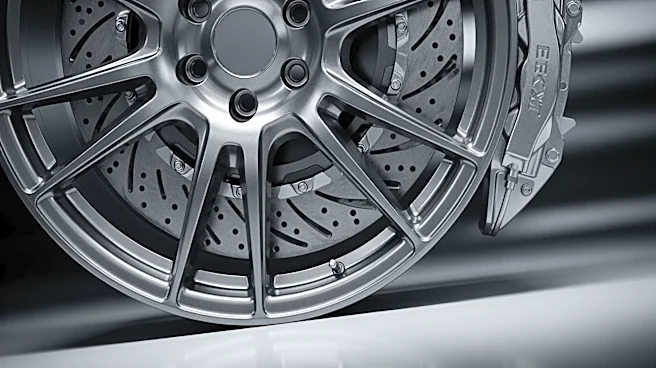
Braking systems are also upgraded for racing conditions. The front brakes can have a maximum of six-piston calipers, with brake discs up to 380mm in diameter. The rear brakes are limited to two-piston calipers, with production ABS systems accepted. These enhancements ensure that TCR cars have the stopping power needed for competitive racing.
The technical regulations of TCR Touring Cars are designed to balance performance and cost-effectiveness, making them an attractive option for teams and manufacturers. By allowing specific modifications while retaining production-based components, the TCR specification provides a platform for exciting and competitive racing.