








Nail care has a rich history that spans centuries, evolving from simple grooming practices to the sophisticated beauty treatments we know today. The journey of nail care reflects changes in cultural norms, technological advancements, and the growing importance of personal grooming in society. This article explores the historical development of nail care, highlighting key milestones and innovations.
Early Nail Care Practices
The origins of nail care can be traced back to ancient
civilizations, where grooming was an important aspect of personal hygiene and social status. In ancient Egypt, for example, both men and women used henna to color their nails, a practice that signified wealth and status. Similarly, in ancient China, nail care was a symbol of social class, with the length and color of nails indicating one's position in society.
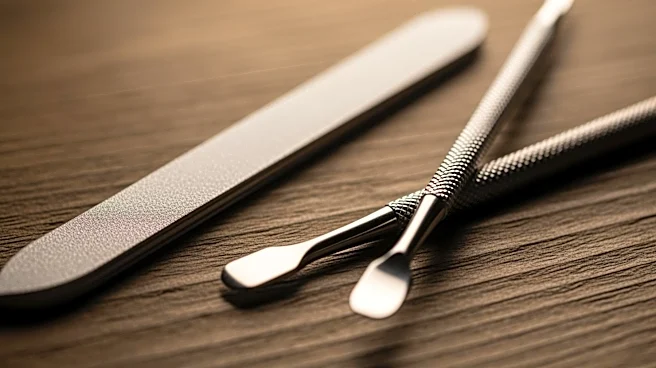
As time progressed, nail care practices became more refined. The use of tools such as pumice stones and metal files became common, allowing for more precise shaping and smoothing of nails. These early tools laid the foundation for the development of modern nail care techniques, which continue to evolve today.
The Rise of Modern Manicures
The modern manicure as we know it began to take shape in the late 19th and early 20th centuries. During this time, the invention of new tools and products revolutionized nail care. The emery board, patented in 1883, provided a more effective and sanitary way to file nails, replacing the less durable pumice stones.
The 20th century saw the introduction of nail polish, which quickly became a staple in nail care. This period also marked the rise of professional nail salons, where trained technicians offered specialized services such as manicures and pedicures. These salons became popular destinations for individuals seeking both beauty and relaxation.
Innovations in Nail Art and Technology
In recent decades, nail care has continued to evolve with the introduction of new technologies and artistic techniques. The development of acrylic and gel nails has allowed for more creative and durable designs, while airbrushing and stamping have expanded the possibilities for nail art.
Today, nail care is a thriving industry, with countless products and services available to meet the diverse needs of clients. From simple manicures to elaborate nail art, the evolution of nail care reflects the ongoing innovation and creativity within the beauty industry.