


Lee Richmond is best known for pitching the first perfect game in Major League Baseball history on June 12, 1880. However, his contributions to the sport extend beyond this singular achievement. Richmond's career, marked by his exceptional pitching skills and his pioneering role in baseball, has left a lasting impact on the game.
Early Career and Rise to Fame
Richmond joined the Worcester Worcesters in 1879, quickly establishing himself as a formidable pitcher. His talent was evident
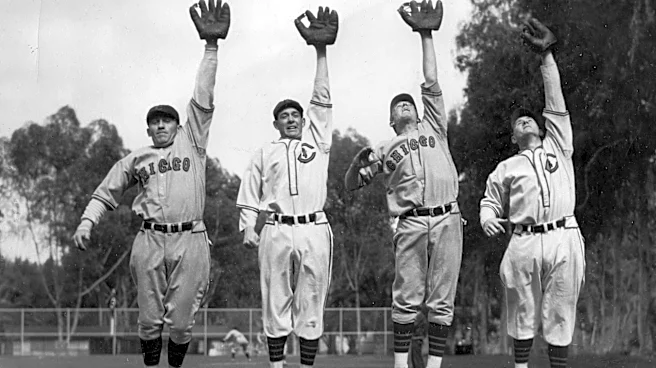
from the start, as he brought legitimacy to the team with his impressive performances. Richmond's pitching abilities were not limited to his perfect game; he also pitched a seven-inning no-hitter against the Chicago White Stockings and a nine-inning no-hitter against a team from Springfield, Massachusetts.
In 1880, the Worcesters were admitted into the National League, a testament to the team's growing reputation, largely due to Richmond's prowess on the mound. That year, Richmond started 66 out of Worcester's 83 games, finishing with a win-loss record of 32-32. His contributions were instrumental in the team's success and popularity.
The Perfect Game and Its Aftermath
Richmond's perfect game against the Cleveland Blues was a remarkable achievement, especially considering the circumstances leading up to it. Despite the lack of recognition at the time, the game was a significant milestone in baseball history. Newspapers focused on the lack of errors rather than the pitching performance, as errors were more common in the 19th century due to poor field conditions and the absence of gloves.
After retiring from baseball in 1886, Richmond pursued a career in medicine and education. He practiced as a physician for several years before becoming a high school chemistry teacher in Toledo, Ohio. Richmond's transition from baseball to education highlights his diverse talents and interests.
Legacy and Recognition
The legitimacy of Richmond's perfect game, along with John Montgomery Ward's, is occasionally debated due to the differences in baseball rules at the time. Pitchers in 1880 could not throw pitches above their shoulder, and there was no pitcher's mound, among other differences. Despite these debates, Richmond's perfect game is included in MLB's list of perfect games, recognizing his pioneering role in the sport.
Richmond's career and achievements have left a lasting legacy in baseball history. His perfect game remains a testament to his skill and determination, and his contributions to the sport continue to be celebrated. As a pioneer in baseball, Richmond's impact on the game is undeniable, and his story serves as an inspiration to future generations of players.