





Urban fantasy is a captivating genre that combines supernatural elements with modern urban settings. This unique blend allows for a rich tapestry of storytelling, where the familiar and the fantastical coexist. Urban fantasy offers a platform for exploring classic fantasy tropes, quixotic plot elements, and unusual characters without the need to create an entirely imaginary world. This article delves into the distinctive characteristics and thematic
elements that define urban fantasy, highlighting what makes this genre so appealing to readers.
Characteristics of Urban Fantasy
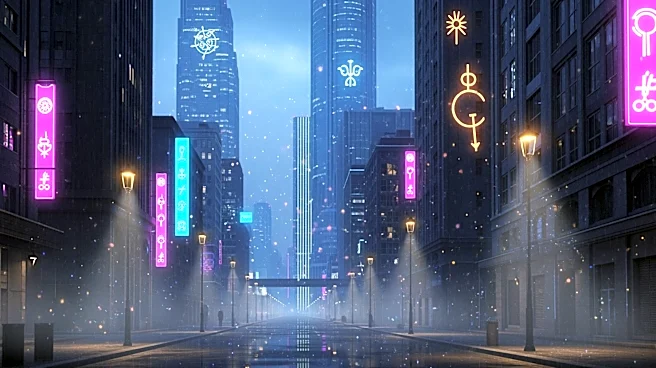
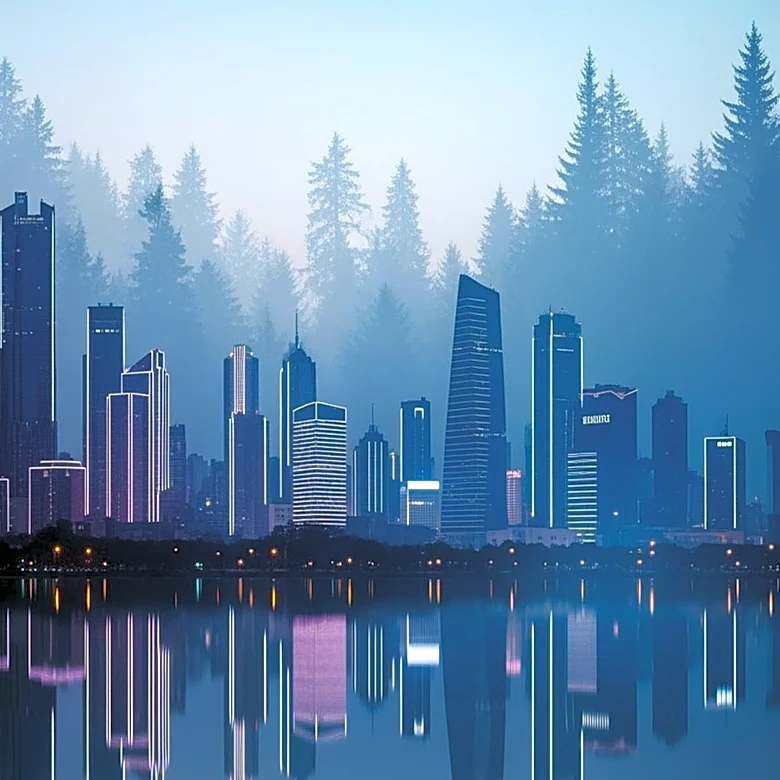
One of the defining features of urban fantasy is its setting. Typically, these stories take place in large or small cities, or even suburban communities within metropolitan areas. The urban environment serves as a backdrop, providing a familiar context for the supernatural events that unfold. This setting allows authors to incorporate contemporary technology, such as cars and smartphones, as well as everyday social institutions like schools and libraries, grounding the fantastical elements in reality.
Urban fantasy often features a mix of magical and paranormal elements, including magic, mythical creatures, and supernatural beings. These elements may exist secretly within the world or be openly acknowledged by its inhabitants. The genre's flexibility allows authors to draw from folklore, literature, and even urban myths, creating a rich tapestry of magical and mysterious components. This blend of the familiar and the strange is a hallmark of urban fantasy, captivating readers with its imaginative possibilities.
Thematic Elements in Urban Fantasy
Urban fantasy frequently explores themes of coexistence and conflict between humans and supernatural beings. This theme reflects societal changes and cultural shifts, as characters navigate the challenges of living in a world where the ordinary and the extraordinary intersect. The genre often delves into the impact of these interactions on local life, examining how supernatural events and characters influence the everyday lives of the protagonists.
Another common theme in urban fantasy is the battle between good and evil. This classic trope is often reimagined within the context of a modern urban setting, where characters must confront both external and internal conflicts. The genre's flexibility allows for a wide range of interpretations, from epic battles between supernatural forces to more personal struggles with identity and morality. This thematic depth adds layers of complexity to urban fantasy stories, engaging readers with thought-provoking narratives.
The Appeal of Urban Fantasy
Urban fantasy's appeal lies in its ability to blend the familiar with the fantastical, creating a sense of wonder and excitement. The genre's flexibility allows authors to incorporate elements of romance, mystery, and adventure, appealing to a wide range of readers. The presence of strong, relatable characters, often involved in law enforcement or vigilantism, adds to the genre's allure, as readers are drawn into their struggles and triumphs.
The genre's adaptability has also contributed to its popularity in other media, including film, television, and video games. Shows like "Buffy the Vampire Slayer" and "Supernatural" have brought urban fantasy to a broader audience, while video games like "Final Fantasy VII" and "The World Ends with You" have incorporated urban fantasy elements into their narratives. This cross-media appeal has helped solidify urban fantasy's place in contemporary storytelling.
In conclusion, urban fantasy is a genre that captivates readers with its unique blend of the supernatural and the everyday. Its distinctive characteristics and thematic elements create a rich tapestry of storytelling, where the familiar and the fantastical coexist. As urban fantasy continues to evolve, it remains a dynamic and influential genre, inspiring new generations of writers and creators. Whether through literature, film, or video games, urban fantasy continues to enchant audiences with its imaginative possibilities and engaging narratives.