






Geckos are not only known for their vocalizations and climbing abilities but also for their impressive camouflage and defense mechanisms. These adaptations are crucial for their survival in the wild, allowing them to avoid predators and thrive in various environments. This article explores the fascinating ways in which geckos use camouflage and other defense strategies to protect themselves.
Camouflage and Coloration
One of the primary ways geckos protect themselves is through
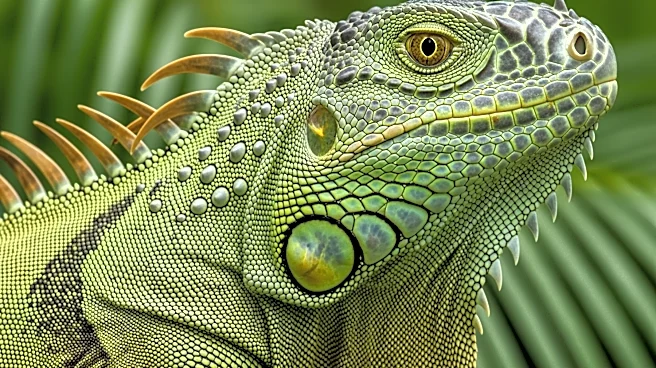
camouflage. Many gecko species have developed coloration and patterns that allow them to blend seamlessly into their surroundings. For example, the mossy leaf-tailed gecko of Madagascar has a coloration that mimics tree bark, complete with lichen and moss-like markings. This makes it nearly invisible to predators when it rests against a tree.
Geckos can also change their skin color to match their environment, a trait that helps them avoid detection by predators. This ability to adapt their appearance is not only useful for hiding but also for regulating their body temperature by absorbing or reflecting sunlight. The combination of these camouflage techniques makes geckos highly adept at avoiding predators in their natural habitats.
Tail Autotomy and Regeneration
In addition to camouflage, geckos have developed other defense mechanisms to protect themselves from predators. One of the most remarkable is tail autotomy, the ability to voluntarily detach their tail when threatened. The detached tail continues to wriggle, distracting the predator and allowing the gecko to escape.
After losing their tail, geckos can regenerate a new one, although the regenerated tail is often shorter and less colorful than the original. This ability to regrow a lost body part is a significant survival advantage, as it allows geckos to escape dangerous situations without suffering permanent harm. However, the process of regeneration requires energy and resources, so geckos typically use this defense mechanism only when absolutely necessary.
Behavioral Defenses
Geckos also employ various behavioral strategies to avoid predation. Many species are nocturnal, reducing their risk of encountering diurnal predators. By being active at night, geckos can take advantage of their excellent night vision to hunt and navigate their environment while remaining hidden from potential threats.
Some geckos also use vocalizations as a defense mechanism. When threatened, they may produce hissing or barking sounds to startle predators and deter them from attacking. These vocalizations, combined with their other defense strategies, make geckos highly effective at avoiding predation and ensuring their survival in the wild.
Through a combination of camouflage, tail autotomy, and behavioral defenses, geckos have evolved into masters of survival. These adaptations not only protect them from predators but also allow them to thrive in a wide range of environments, showcasing the incredible diversity and resilience of these remarkable lizards.