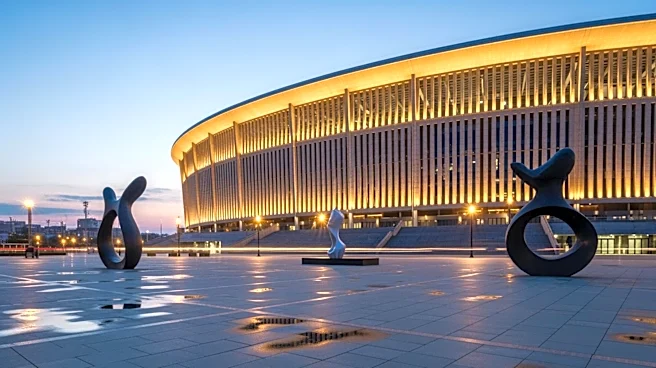


Giants Stadium was not just a sports venue; it was a cultural and entertainment hub that hosted a wide array of events, drawing crowds from all over the world. This article delves into the cultural significance of Giants Stadium, highlighting its role in music, sports, and community events.
A Stage for Musical Legends
Giants Stadium was renowned for its ability to attract some of the biggest names in the music industry. During its existence from 1976 to 2010, the stadium hosted
concerts by internationally acclaimed artists such as Bruce Springsteen, the Rolling Stones, U2, and Bon Jovi. Springsteen, a native of New Jersey, performed dozens of concerts at the venue, holding the record for the most shows by a single artist at the stadium.
These concerts were more than just performances; they were cultural events that brought people together, creating lasting memories for fans. The stadium's large capacity allowed it to accommodate massive crowds, making it a prime location for major tours and events. Giants Stadium's reputation as a premier concert venue contributed significantly to its cultural legacy.
A Venue for International Sports
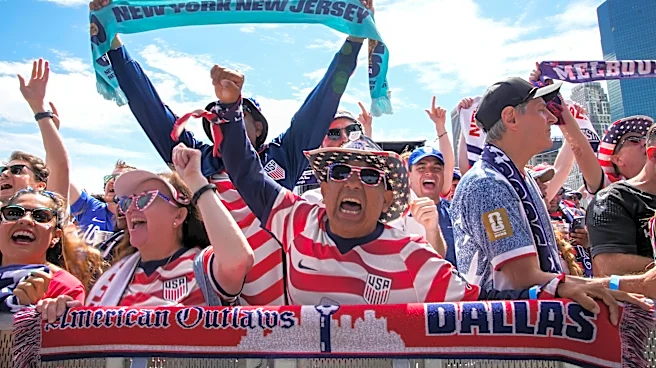
Beyond music, Giants Stadium played a crucial role in hosting international sports events. It was one of the venues for the 1994 FIFA World Cup, showcasing its versatility and global appeal. The stadium's ability to host such prestigious events highlighted its importance on the international stage.
In addition to soccer, Giants Stadium was a key location for other sports, including the CART IndyCar series, which held the Meadowlands Grand Prix in the stadium's parking lot. Although the race was only moderately successful, it demonstrated the stadium's capacity to host diverse sporting events.
Community and Cultural Gatherings
Giants Stadium was also a site for significant community and cultural gatherings. One of the most notable events was Pope John Paul II's mass at the stadium in 1995, which drew tens of thousands of attendees. This event underscored the stadium's role as a gathering place for people of all backgrounds and beliefs.
The stadium's impact extended beyond sports and entertainment, serving as a venue for various cultural events that brought communities together. Its ability to host such a wide range of activities made it a vital part of the cultural fabric of the New York metropolitan area.
In conclusion, Giants Stadium was more than just a sports venue; it was a cultural and entertainment hub that left a lasting impact on the region. Its legacy continues to be felt through the memories of the countless events and gatherings that took place within its walls.