





Mythology has evolved significantly over time, reflecting changes in societies and their cultural landscapes. From ancient oral traditions to written texts, myths have transformed in form and function, adapting to new contexts and audiences. This article explores the historical development of mythology, highlighting key milestones and the factors that have influenced its evolution.
From Oral Tradition to Written Texts
The earliest myths were passed down orally, shared through storytelling
and communal gatherings. These oral traditions allowed myths to be dynamic and adaptable, with each retelling potentially introducing new elements or interpretations. As societies developed writing systems, myths began to be recorded in written texts, preserving them for future generations.
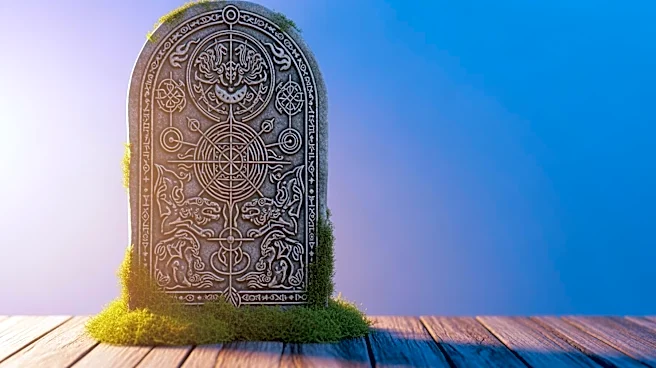
The transition from oral to written mythology marked a significant shift in how these stories were transmitted and perceived. Written texts provided a more fixed version of myths, allowing for greater consistency in their retelling. This shift also enabled myths to reach a wider audience, as written texts could be copied and distributed across regions. The recording of myths in texts such as the Vedas, the Iliad, and the Bible helped to solidify their place in cultural and religious traditions.
Influence of Cultural Exchange
Cultural exchange has played a crucial role in the evolution of mythology. As societies interacted through trade, conquest, and migration, they exchanged not only goods but also stories and beliefs. This exchange led to the blending and adaptation of myths, as elements from one culture were incorporated into another.
For example, the Greek and Roman pantheons share many similarities, with Roman mythology heavily influenced by Greek myths. Similarly, the spread of Hinduism and Buddhism across Asia led to the adaptation of Indian myths in regions such as Southeast Asia and China. This cross-cultural exchange enriched the mythological traditions of each society, creating a tapestry of interconnected stories and themes.
Modern Interpretations and Adaptations
In the modern era, mythology continues to evolve, influenced by contemporary culture and media. Myths are reinterpreted and adapted in literature, film, and art, often reflecting current social and political issues. These modern adaptations keep myths relevant, allowing them to resonate with new audiences and address contemporary concerns.
For instance, the retelling of myths in popular films and novels often highlights themes of heroism, identity, and morality, drawing parallels between ancient stories and modern life. This ongoing reinterpretation of mythology demonstrates its enduring power and relevance, as it continues to inspire and inform cultural narratives.
The evolution of mythology is a testament to its adaptability and resilience. As societies change, so too do their myths, reflecting new realities and challenges. Through this process of transformation, mythology remains a vital and dynamic aspect of human culture, connecting the past with the present and future.