
The late 1920s marked a pivotal moment in the history of cinema with the introduction of sound films, often referred to as "talkies." This transition from silent films to sound films revolutionized the film industry,
altering the way stories were told and experienced by audiences. The advent of sound in cinema not only changed the technical aspects of filmmaking but also had a profound impact on the cultural landscape of the time.
The Birth of Sound in Cinema
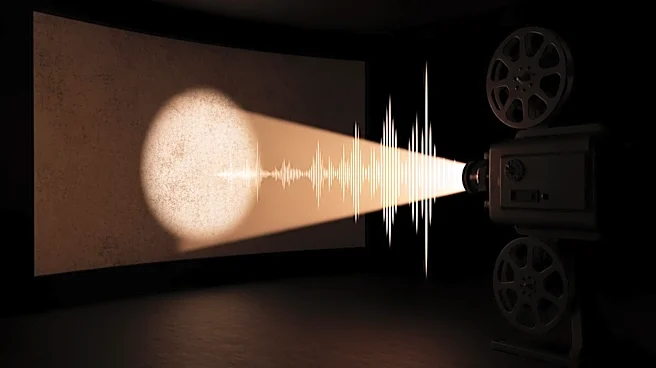
The journey towards sound films began with the development of electronic sound recording technologies in the 1920s. These advancements made it feasible to synchronize soundtracks with the action on screen, paving the way for the first sound films. Early systems like Thomas Edison's Kinetoscope and the Vitaphone used by Warner Bros. were instrumental in this transition. Despite initial resistance due to the high costs of equipping theaters with sound technology, the success of films like "Don Juan" (1926) and "The Jazz Singer" (1927) demonstrated the potential of sound in cinema.
The introduction of sound films was a swift revolution. By 1930, silent films were nearly obsolete in the United States, and sound films had become the new standard. This rapid shift was driven by the audience's enthusiasm for the new experience that sound brought to the cinematic world. The ability to hear dialogue, music, and sound effects added a new dimension to storytelling, making films more engaging and immersive.
Impact on Filmmaking and Storytelling
The transition to sound films had a significant impact on the art of filmmaking. Directors and screenwriters had to adapt to the new medium, finding ways to integrate sound into their storytelling. This led to the development of new cinematic techniques and styles. The use of dialogue allowed for more complex character development and plotlines, while sound effects and music enhanced the emotional impact of scenes.
The introduction of sound also influenced the types of films being produced. Musicals and comedies, which relied heavily on dialogue and music, became increasingly popular. The ability to hear actors' voices added a new layer of performance, and many silent film stars struggled to adapt to the new medium. This period saw the rise of new stars who could captivate audiences with both their voices and their screen presence.
Cultural and Economic Implications
The rise of sound films had far-reaching cultural and economic implications. The film industry experienced a boom as audiences flocked to theaters to experience the new technology. This surge in popularity led to increased investment in film production and the expansion of Hollywood as the center of the film industry.
Culturally, sound films reflected and influenced the society of the time. They provided a platform for new forms of expression and communication, allowing filmmakers to explore a wider range of themes and subjects. The ability to include dialogue and sound effects made films more relatable and accessible to audiences, further cementing cinema's role as a dominant form of entertainment.
The transition from silent films to sound films was a transformative period in the history of cinema. It marked the beginning of a new era in filmmaking, one that continues to shape the industry to this day.