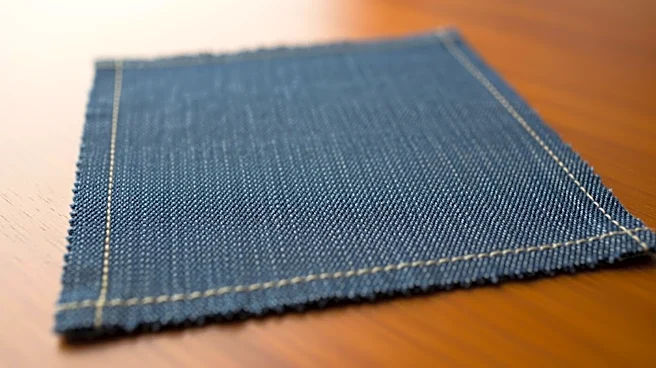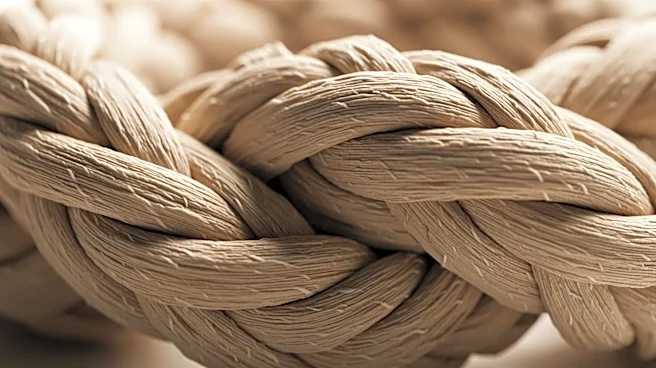


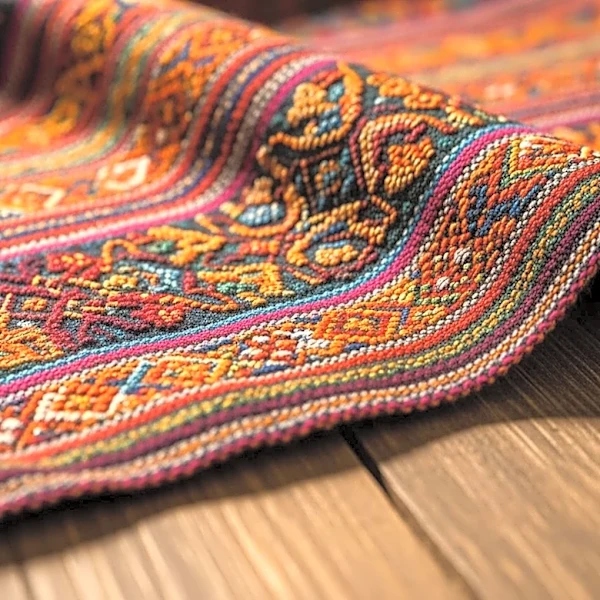


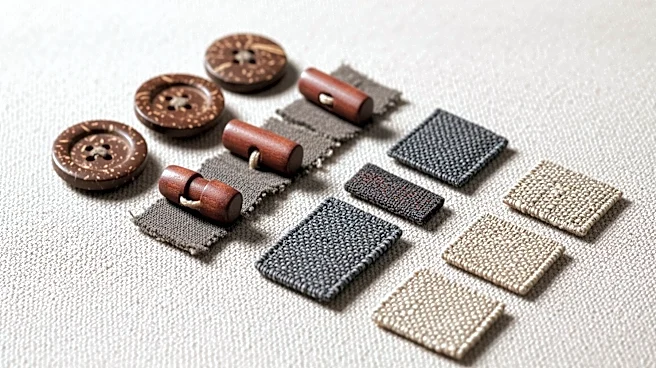
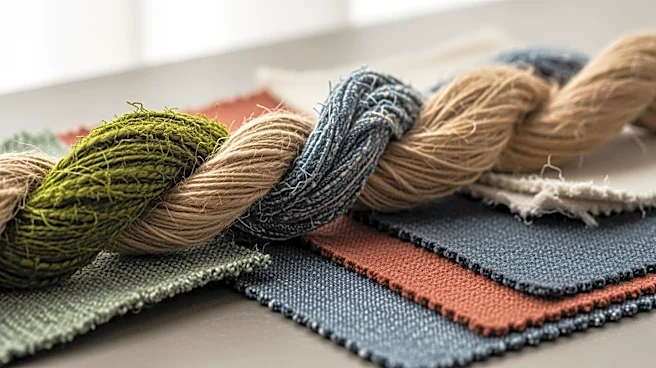
Textile fibers are the building blocks of the fabrics we use every day, from the clothes we wear to the upholstery in our homes. These fibers can be broadly categorized into two types: natural fibers, which are derived from plants and animals, and synthetic fibers, which are man-made from polymers. Each type of fiber has its own unique properties and uses, making them suitable for different applications in the textile industry.
Natural Fibers
Natural fibers are sourced
from plants and animals, and they have been used for thousands of years to create textiles. Common plant-based fibers include cotton, flax, and hemp, while animal-based fibers include wool and silk. These fibers are known for their comfort and breathability, making them ideal for clothing, especially in warm climates. Cotton, for example, is lightweight and absorbent, making it a popular choice for summer garments.
Animal fibers like wool and silk offer different benefits. Wool is known for its warmth and is often used in winter clothing. Silk, on the other hand, is prized for its smooth texture and sheen, making it a luxurious choice for high-end fashion. The natural origin of these fibers also means they are biodegradable, which is an advantage in terms of environmental sustainability.
Synthetic Fibers
Synthetic fibers are created through chemical processes, often involving the polymerization of petrochemicals. Common synthetic fibers include polyester, nylon, and acrylic. These fibers are valued for their durability and resistance to wrinkles and shrinkage, making them ideal for a wide range of applications, from clothing to industrial uses.
One of the key advantages of synthetic fibers is their ability to be engineered for specific properties. For example, polyester can be made to mimic the feel of natural fibers like cotton or silk, while also offering enhanced durability and moisture-wicking capabilities. This makes synthetic fibers a versatile choice for activewear and outdoor gear.
Comparing Natural and Synthetic Fibers
While both natural and synthetic fibers have their own strengths, they also have limitations. Natural fibers, while comfortable, can be more expensive and less durable than synthetic options. They may also require more care, such as hand washing or dry cleaning, to maintain their appearance.
Synthetic fibers, although durable and cost-effective, can be less breathable and may not offer the same level of comfort as natural fibers. Additionally, the production of synthetic fibers can have a significant environmental impact, as it often involves the use of non-renewable resources and the release of pollutants.
In conclusion, the choice between natural and synthetic fibers depends on the specific needs and preferences of the consumer. Both types of fibers play a crucial role in the textile industry, offering a range of options for different applications and lifestyles.