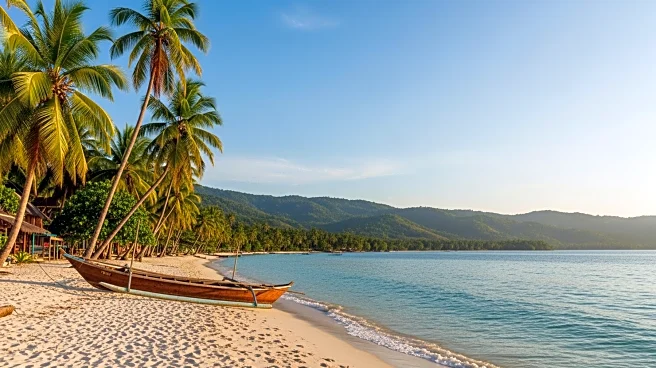



Tourism plays a crucial role in Madagascar's economy, serving as the second-largest foreign exchange earner for the island nation. With its unique wildlife, beautiful beaches, and rich cultural heritage, Madagascar has the potential to become a major tourist destination. This article examines how tourism contributes to Madagascar's economic development and the challenges it faces.
Economic Contributions
Tourism is a vital component of Madagascar's economy, contributing significantly
to the country's GDP and employment. In 2007, tourism accounted for 6.3% of Madagascar's GDP and provided 206,000 jobs, representing 5.1% of total employment. The industry is seen as a key driver of economic growth and poverty reduction, particularly in rural areas where tourism can provide much-needed income and job opportunities.
The government of Madagascar has identified tourism as a priority sector for economic development. By promoting the island's unique attractions and improving infrastructure, the government aims to increase tourism's share of the economy. This strategy aligns with global trends towards sustainable tourism and conservation, which can provide long-term benefits for both the environment and local communities.
Infrastructure Challenges
Despite its potential, Madagascar's tourism industry faces significant challenges, particularly in terms of infrastructure. Poorly paved roads, unreliable airline travel, and a lack of high-quality accommodations limit the country's ability to attract more visitors. These issues not only affect the tourism experience but also hinder economic growth by reducing the industry's competitiveness.
To address these challenges, the government is investing in infrastructure improvements, such as upgrading roads and expanding air travel options. By enhancing the quality of transportation and accommodations, Madagascar can attract a broader range of tourists and increase its economic benefits from tourism.
Future Prospects
The future of tourism in Madagascar looks promising, with growing interest from international travelers and increasing government support. As infrastructure improves and the country continues to promote its unique attractions, Madagascar has the potential to become a major player in the global tourism market.
However, sustainable tourism practices are essential to ensure that the industry benefits both the environment and local communities. By promoting responsible tourism and supporting conservation efforts, Madagascar can protect its natural heritage while providing economic opportunities for its people.
In conclusion, tourism is a key driver of economic development in Madagascar, offering significant potential for growth and poverty reduction. By addressing infrastructure challenges and promoting sustainable tourism practices, Madagascar can harness the full potential of its tourism industry and improve the quality of life for its citizens.