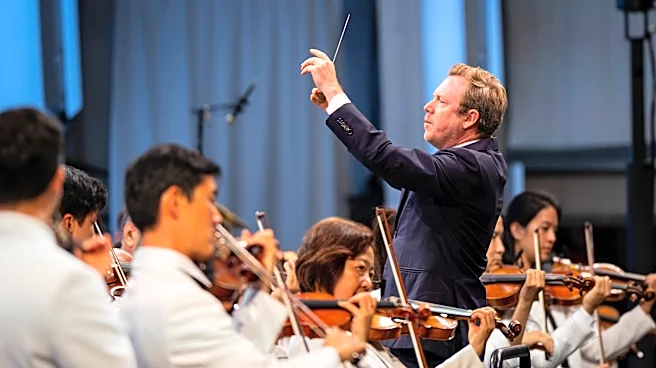

The Rite of Spring, composed by Igor Stravinsky, is a landmark in the world of ballet and orchestral music. First performed in 1913, it was a groundbreaking work that challenged traditional norms and sparked
a cultural revolution. Its impact on music and dance has been profound, influencing countless artists and reshaping the landscape of modern performance art.
A Bold Departure from Tradition
The Rite of Spring was commissioned for Sergei Diaghilev's Ballets Russes and premiered in Paris. Stravinsky's composition was a bold departure from the classical music norms of the time. The music was characterized by its complex rhythms and dissonant harmonies, which were unlike anything audiences had heard before. This innovative approach to composition was a key factor in the ballet's initial reception.
The choreography by Vaslav Nijinsky was equally revolutionary. Nijinsky's dances were not in the traditional ballet form but were imagined as primitive rituals. This style was shocking to audiences, who were accustomed to the grace and elegance of classical ballet. The dancers adopted a pigeon-toed stance and moved in heavy, ritualistic patterns, which contributed to the ballet's unique aesthetic.
The Premiere and Its Aftermath
The premiere of The Rite of Spring was met with tumult and riot. The audience was divided, with some appreciating the bold new direction and others outraged by the departure from tradition. The performance was only stilled by the compelling portrayal of the sacrificial maiden by Marie Piltz. Despite the initial controversy, subsequent performances were received with growing appreciation.
The ballet's difficulties meant it was only presented six times initially. However, its influence continued to grow, and it was revived in 1920 by the Ballets Russes. The music had been performed in concert before the revival, and new choreography by Leonide Massine met with Stravinsky's approval, further cementing its place in the cultural canon.
Lasting Influence on Music and Dance
The Rite of Spring is now seen as a key piece in the Neue Musik movement, which began around 1910. This movement was characterized by experimentation and innovation, and Stravinsky's work is a prime example of its principles. The ballet's influence extends beyond music and dance, impacting other art forms and inspiring future generations of artists.
In 1940, Walt Disney used Stravinsky's music in the animated film Fantasia, depicting dinosaurs and volcanoes. This adaptation introduced the music to a wider audience and demonstrated its versatility and enduring appeal. The Rite of Spring remains a pivotal work that continues to inspire and challenge artists and audiences alike.