
Everglades National Park is a unique and vital ecological treasure located in southern Florida. As the largest tropical wilderness of its kind in the United States, the park plays a crucial role in preserving
a diverse array of ecosystems and species. This article delves into the ecological importance of the park, highlighting its unique ecosystems, the species it supports, and the challenges it faces.
Unique Ecosystems
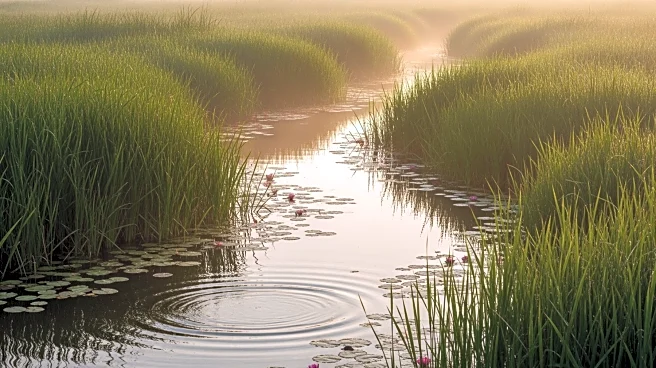
Everglades National Park is home to a variety of ecosystems, each contributing to the park's overall ecological diversity. The park's landscape is primarily composed of wetlands and forests, fed by a slow-moving river that flows out of Lake Okeechobee. This river, often referred to as the "River of Grass," is a defining feature of the Everglades, supporting a network of ecosystems that include freshwater sloughs, marl prairies, and mangrove forests.
The freshwater sloughs are particularly significant as they serve as the main channels for water flow within the park. These slow-moving waters are essential for the survival of many aquatic species and provide a habitat for a variety of plants and animals. The marl prairies, on the other hand, are characterized by their calcitic mud and support a different set of plant and animal life. These prairies are typically flooded for several months each year, creating a dynamic environment that fosters biodiversity.
Biodiversity and Species
The Everglades is renowned for its rich biodiversity, hosting a wide range of species, including several that are threatened or endangered. The park is a critical breeding ground for tropical wading birds, making it one of the most important bird habitats in North America. It is home to 350 species of birds, 300 species of fish, 40 species of mammals, and 50 species of reptiles.
Among the notable species found in the park are the Florida panther, the American crocodile, and the West Indian manatee. These species, along with many others, rely on the park's diverse habitats for survival. The Everglades also contains the largest mangrove ecosystem in the Western Hemisphere, which serves as a crucial nursery for marine life and provides protection against coastal erosion.
Challenges and Conservation
Despite its ecological significance, Everglades National Park faces numerous challenges that threaten its delicate ecosystems. Human activity, including urban development and water diversion, has significantly impacted the park's natural water flow, leading to habitat degradation and loss of biodiversity. Additionally, invasive species pose a significant threat to native flora and fauna, further complicating conservation efforts.
Efforts to restore and protect the Everglades are ongoing, with initiatives aimed at restoring natural water flow and controlling invasive species. The park's designation as a UNESCO World Heritage Site underscores its global importance and the need for continued conservation efforts. By preserving the unique ecosystems and biodiversity of Everglades National Park, we can ensure that this ecological treasure remains a vital part of our natural heritage for generations to come.