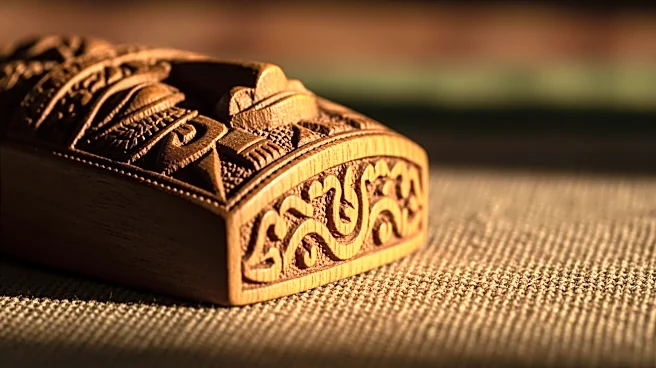







Material culture is a vital component of folklore, encompassing the tangible objects and artifacts that hold cultural significance within a group. These items, whether handmade or mass-produced, serve as expressions of tradition and identity. This article delves into the role of material culture in folklore, highlighting its significance and the ways in which it is transmitted across generations.
Understanding Material Culture
Material culture includes all artifacts that can be
touched, held, lived in, or eaten. These tangible objects have a physical or mental presence and are often created for a specific purpose. While many folklore artifacts are handmade, such as traditional crafts and tools, mass-produced items like dreidels or Christmas decorations also fall under this category. Despite their production method, these items are considered folklore due to their long history and customary use.
Folklorists are interested in various aspects of material culture, including the physical form of the objects, the methods of manufacture, and the patterns of use. The meaning of these objects to those who make and use them is also of primary significance. This focus on material culture allows folklorists to explore the complex relationships between individuals, their communities, and the objects they create and use.
The Role of Material Culture in Tradition
Material culture plays a crucial role in the transmission of tradition within a cultural group. These objects are often passed down through generations, serving as tangible links to the past. They are subject to the same forces of conservative tradition and individual variation that are found in all folklore artifacts. This balance of continuity and change is essential to the preservation and evolution of cultural traditions.
In addition to their role in preserving tradition, material culture items often hold symbolic meaning within a group. For example, a handmade quilt may represent family heritage, while a carved wooden figure may symbolize cultural identity. These objects are not only functional but also serve as expressions of cultural values and beliefs.
The Study of Material Culture in Folkloristics
The study of material culture within folkloristics involves examining the context in which these objects are created and used. This includes exploring the cultural environment, the social and economic factors that influence production, and the ways in which these objects are integrated into daily life. By understanding the context of material culture, folklorists can gain insights into the cultural significance of these objects and their role in shaping group identity.
In conclusion, material culture is a vital aspect of folklore, providing tangible expressions of tradition and identity. Through the study of these objects, folklorists can explore the complex relationships between individuals, their communities, and the cultural artifacts that hold meaning within their lives.