







"The Little Old Log Cabin in the Lane" is a song that has undergone significant musical evolution since its creation by Will S. Hays in 1871. Originally written for the minstrel trade, the song has been adapted and transformed across various musical genres, leaving a lasting impact on the world of music.
From Minstrel to Bluegrass
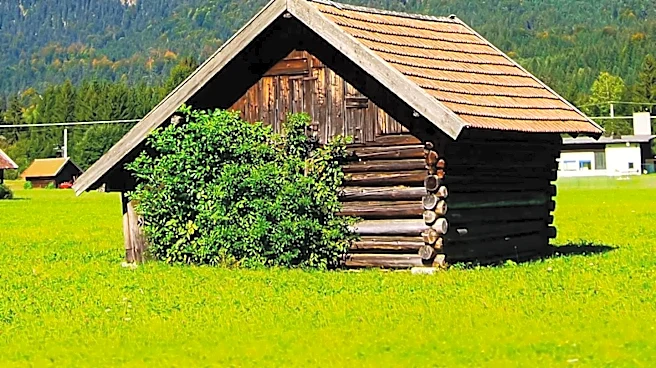
The song was initially crafted for the minstrel trade, a popular form of entertainment in the 19th century. Its lyrics, written in dialect, tell the story
of an elderly man living in a dilapidated log cabin, capturing themes of nostalgia and change. This narrative resonated with audiences, making the song a staple in minstrel performances.
As the song gained popularity, its melody was adapted into various musical contexts, including western songs like "The Little Old Sod Shanty on the Claim" and "Little Joe, The Wrangler." These adaptations showcase the song's versatility and its ability to transcend musical boundaries. By the mid-20th century, the song had evolved into a bluegrass standard, with performers modifying the lyrics to reflect changing societal attitudes.
Fiddlin' John Carson's Influence
A pivotal moment in the song's musical evolution was Fiddlin' John Carson's 1923 recording. Carson, a rural white musician, made one of the first commercial recordings of the song, marking a significant milestone in country music history. His rendition was initially met with skepticism, but it quickly gained popularity, prompting the music industry to explore more rural folk songs.
Carson's recording not only solidified the song's place in musical history but also influenced the development of country music as a genre. The success of his version motivated the industry to seek out and preserve rural musical traditions, contributing to the rich tapestry of American folk music.
Continued Adaptations and Legacy
The song's adaptability is evident in its continued evolution and recognition. Performers have modified the lyrics over the years, eliminating the original references to slavery and transforming the "old master and mistress" into the narrator's parents in bluegrass versions. This evolution reflects the song's ability to adapt to cultural changes while maintaining its emotional core.
In 1998, Fiddlin' John Carson's version received the Grammy Hall of Fame Award, underscoring the song's lasting impact and cultural significance. "The Little Old Log Cabin in the Lane" remains a testament to the power of music to evolve and resonate with audiences across generations, inspiring musicians and listeners alike.