
Measuring spoons are a staple in kitchens worldwide, but their sizes and uses can vary significantly across different cultures. These variations reflect the diverse culinary traditions and practices found
around the globe. Understanding these differences can provide insight into how various cultures approach cooking and baking, and how they ensure precision in their culinary creations.
Measuring Spoons in the United States
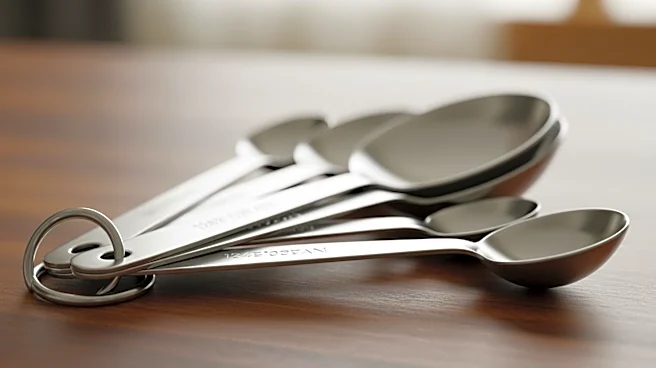
In the United States, measuring spoons are commonly found in sets that include 1/4 teaspoon, 1/2 teaspoon, 1 teaspoon, and 1 tablespoon. These spoons are used to measure both liquid and dry ingredients, providing a standardized way to ensure accuracy in recipes. The U.S. teaspoon measures 4.9 ml, and the tablespoon measures 14.8 ml, which are slightly less than their metric counterparts.
These measuring spoons are essential for following recipes accurately, especially in baking, where precise measurements are crucial. The use of these standardized spoons helps maintain consistency in cooking, allowing for the replication of recipes with the same results each time.
International Variations
In contrast to the U.S., metric measuring spoons are commonly used in many other countries. These spoons typically come in sets that include a deciliter (100 ml), tablespoon (15 ml), teaspoon (5 ml), and milliliter measures. The metric system provides a more uniform approach to measuring, which can be beneficial when following international recipes.
In Japan, measuring spoons are often limited to two sizes: a large spoon (15 ml) and a small spoon (5 ml). This simplicity reflects the common use of these measurements in Japanese cooking, where precision is also valued. The Japanese approach to measuring spoons highlights the importance of simplicity and efficiency in their culinary practices.
The Australian Approach
Australia presents another variation in measuring spoons, with the tablespoon being larger than in most other countries. An Australian tablespoon measures 20 ml, which is equivalent to two dessertspoons or four teaspoons. This larger size reflects the unique culinary traditions in Australia and the need for different measurements in their recipes.
Understanding these cultural differences in measuring spoons can help cooks adapt recipes from various countries, ensuring that they achieve the intended flavors and textures. By recognizing these variations, cooks can better appreciate the diversity of culinary practices around the world and enhance their own cooking skills.