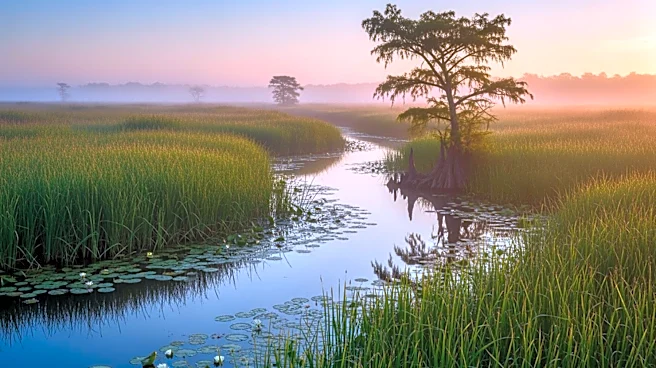






Everglades National Park is a remarkable natural wonder located in southern Florida. It is renowned for its unique ecosystem and diverse wildlife, making it a significant area for conservation and study. As the largest tropical wilderness of its kind east of the Mississippi River, the park offers a glimpse into a world where nature thrives in its most pristine form. This article delves into the fascinating ecosystem of the Everglades, highlighting
its wildlife and the natural processes that sustain it.
A Haven for Wildlife
Everglades National Park is home to a wide array of wildlife, making it a vital sanctuary for many species. The park's diverse habitats, including sawgrass marshes, mangrove forests, and hardwood hammocks, provide shelter and sustenance for a variety of animals. Among the most notable residents are the American alligator and the endangered Florida panther. These iconic species are just a few examples of the rich biodiversity found within the park's boundaries.
Birdwatchers flock to the Everglades to observe the impressive array of avian life. The park is a critical habitat for wading birds such as herons, egrets, and roseate spoonbills. These birds rely on the park's wetlands for feeding and nesting, making the Everglades an essential stopover for migratory species. The abundance of birdlife is a testament to the health and vitality of the park's ecosystem.
The River of Grass
The Everglades is often referred to as the "River of Grass," a name that captures the essence of its slow-moving waters and vast expanses of sawgrass. This unique hydrological system is the lifeblood of the park, supporting its diverse plant and animal communities. Water flows from Lake Okeechobee through the park, creating a shallow, slow-moving river that nourishes the landscape.
The park's water management is crucial to maintaining its delicate balance. Seasonal changes in water levels influence the distribution of plant and animal species, creating a dynamic environment that is constantly evolving. The interplay between water, land, and life in the Everglades is a complex and fascinating process that underscores the importance of preserving this unique ecosystem.
Conservation Efforts
Everglades National Park is not only a natural treasure but also a critical area for conservation efforts. The park's designation as a UNESCO World Heritage Site and a Ramsar Wetland of International Importance highlights its global significance. These designations underscore the need to protect the park from threats such as habitat loss, pollution, and climate change.
Conservation initiatives focus on restoring natural water flow, controlling invasive species, and protecting endangered wildlife. These efforts are essential to ensuring the long-term health and resilience of the Everglades ecosystem. By safeguarding this unique environment, we preserve a vital part of our natural heritage for future generations to enjoy.