
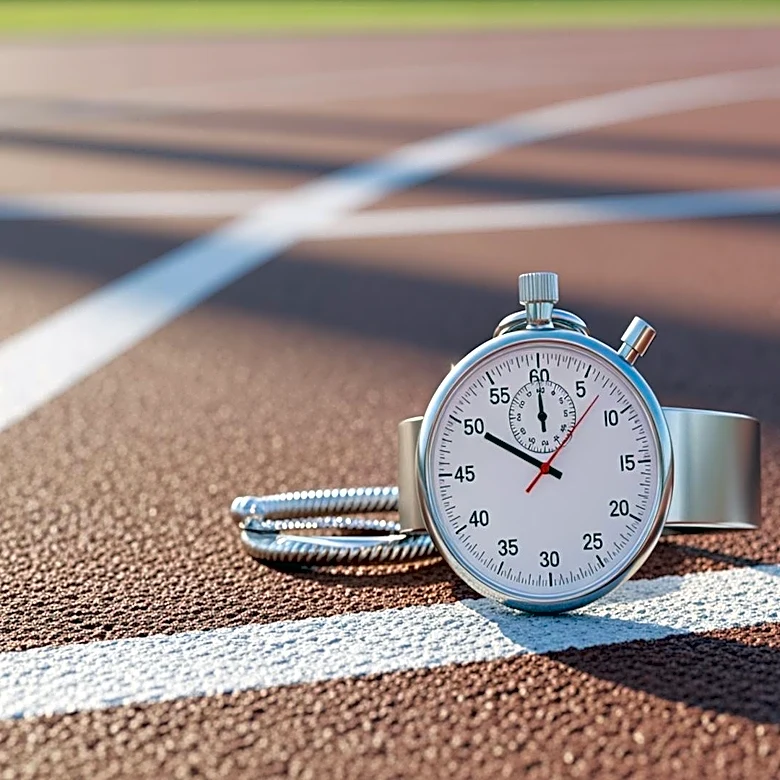


Isometric exercise devices have a long history, evolving from simple tools to sophisticated machines. These devices are designed to help individuals build muscle strength through static muscle contractions without joint movement. Over the years, they have become integral to physical therapy and fitness routines, offering a low-impact way to enhance strength and stability.
Early Beginnings
The concept of isometric exercise devices dates back centuries. Initially, these
devices were rudimentary, lacking the ability to display the user's output. They were primarily used to exercise various body parts, including the wrist, and were often employed in physical therapy settings. The early devices were simple in design, focusing on the principle of static muscle contraction to build strength.
As time progressed, the design of these devices began to evolve. The introduction of analog formats allowed users to gauge their force output, albeit in a limited capacity. This marked the beginning of a shift towards more user-friendly and informative exercise equipment.
Technological Advancements
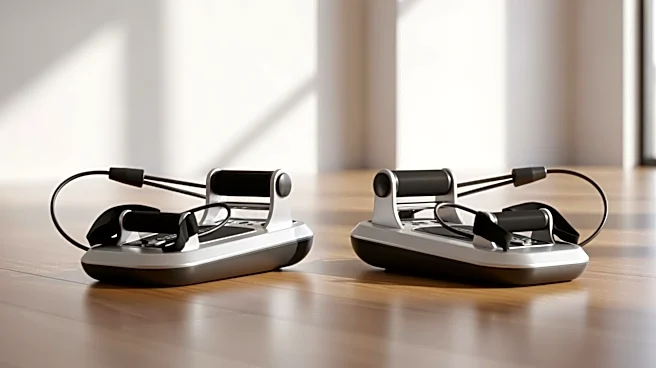
In recent years, isometric exercise devices have seen significant technological advancements. Modern devices often incorporate digital displays and microprocessors, providing users with real-time feedback on their performance. This digital output allows for a more precise measurement of force, enabling users to track their progress more effectively.
These advancements have made isometric exercise devices more accessible and appealing to a broader audience. The ability to store data and download it onto a computer has further enhanced the user experience, allowing for detailed analysis and personalized training programs.
Impact on Fitness and Therapy
Isometric exercise devices have had a profound impact on both fitness and physical therapy. They offer a unique advantage over dynamic exercises by increasing maximal strength at specific joint angles. This makes them particularly beneficial for individuals who require strength in specific positions, such as athletes and those undergoing rehabilitation.
The devices also play a crucial role in differentiating various heart murmurs in medical settings, showcasing their versatility beyond traditional exercise. As technology continues to advance, isometric exercise devices are likely to become even more integral to fitness and therapy, offering innovative ways to improve strength and stability.
In conclusion, the evolution of isometric exercise devices reflects a broader trend towards more personalized and data-driven fitness solutions. From their humble beginnings to the technologically advanced tools of today, these devices continue to play a vital role in enhancing physical strength and overall well-being.