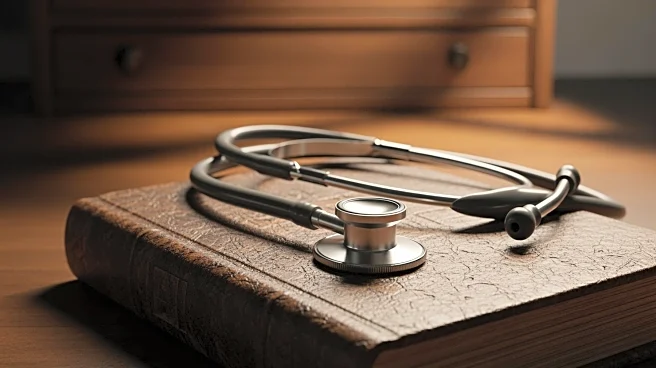

Physical examination has been a fundamental aspect of medical practice for centuries, evolving alongside advancements in healthcare. This article explores the historical development of physical examination,
highlighting its enduring significance in diagnosing and treating patients.
Historical Roots and Development
The origins of physical examination can be traced back to ancient times, where tactile skill and observation were highly valued in diagnosing medical conditions. Before the advent of modern technology, the medical history and physical examination were the primary diagnostic tools available to physicians. This reliance on physical examination persisted until the late 19th century, when radiography and other diagnostic technologies began to emerge. Despite these advancements, the physical exam remained indispensable, providing crucial insights into a patient's health.
The Impact of Medical Advancements
The development of medical technology has influenced the role of physical examination in healthcare. While imaging and molecular tests have become integral to diagnosis, the physical exam continues to play a vital role in evaluating patients. The tactile skill and observation involved in physical examination are essential for identifying symptoms and signs that may not be apparent through technological means. This balance between technology and traditional examination methods underscores the importance of maintaining physical examination skills in medical practice.
Contemporary Relevance and Challenges
In today's healthcare landscape, physical examination faces challenges and opportunities. The rise of evidence-based medicine has led to debates about the necessity of routine physical exams, with some studies suggesting limited benefits in reducing illness or death rates. However, the physical exam remains crucial for screening and diagnosing conditions, particularly in asymptomatic patients. Additionally, the ritualistic aspect of physical examination enhances doctor-patient relationships, fostering trust and communication. As healthcare continues to evolve, the physical exam's role may adapt, but its significance in providing comprehensive patient care remains unchanged.