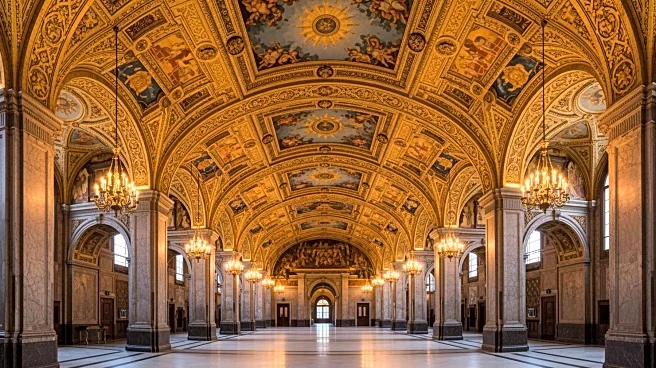




Grand Central Terminal in New York City is not just a transportation hub; it is an architectural masterpiece that has captivated millions of visitors since its opening in 1913. Designed in the Beaux-Arts style, the terminal is a testament to the grandeur and elegance of early 20th-century architecture. Its distinctive design and monumental spaces have earned it several landmark designations, including as a National Historic Landmark. This article
delves into the architectural features that make Grand Central Terminal a marvel of design and engineering.
Beaux-Arts Design
The Beaux-Arts architectural style of Grand Central Terminal is characterized by its grandeur and classical details. The terminal's facade, with its trio of 60-by-30-foot arched windows and fluted Doric columns, resembles an ancient Roman triumphal arch. This design choice was intentional, as the architects wanted the building to serve as a gateway to the city. The facade also features a 13-foot-wide clock set in a round broken pediment, flanked by overflowing cornucopias, and topped by the Glory of Commerce sculptural group.
Inside, the Main Concourse is a cavernous space measuring 275 feet long by 120 feet wide by 125 feet high. The concourse's vastness was meant to evoke the terminal's "grand" status. The ceiling is adorned with a celestial mural painted with more than 2,500 stars, adding to the grandeur of the space. The use of various types of stone, including Botticino marble for interior decorations and pink Tennessee marble for the floors, further enhances the terminal's elegance.
Iconic Features
Grand Central Terminal is filled with iconic features that contribute to its architectural significance. The four-sided brass clock in the center of the Main Concourse is one of the terminal's most recognizable icons. The clock is topped with a brass acorn finial, a symbol of the Vanderbilt family, who were instrumental in the terminal's construction. The terminal also features sculpted oak leaves and acorns throughout, reflecting the Vanderbilt family motto, "Great oaks from little acorns grow."
Another notable feature is the terminal's use of ramps instead of staircases, allowing passengers to move easily between levels. This design innovation was ahead of its time and contributed to the terminal's functionality and aesthetic appeal.
Cultural Impact
Beyond its architectural beauty, Grand Central Terminal has become a cultural icon. It is one of the world's ten most-visited tourist attractions, drawing millions of visitors each year. The terminal's Main Concourse is often used as a meeting place and has been featured in numerous films and television shows, further cementing its status as a cultural landmark.
The terminal's architecture and design have influenced other buildings and train stations around the world, showcasing the enduring legacy of its Beaux-Arts style. Grand Central Terminal remains a symbol of New York City's architectural heritage and continues to inspire awe and admiration from all who visit.