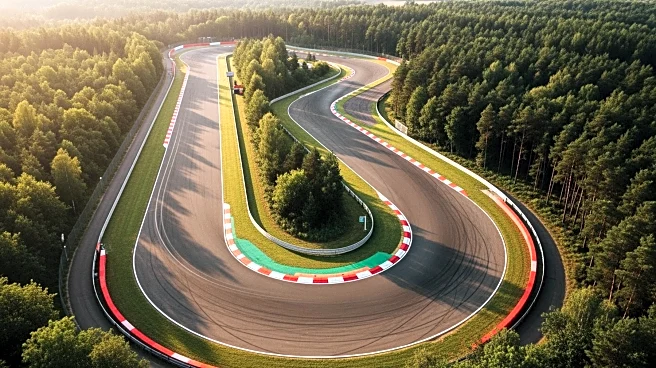




The Suzuka Circuit stands as one of the most iconic venues in the world of Formula One racing. Known for its challenging layout and rich history, Suzuka has been the stage for many memorable moments in the Japanese Grand Prix. This article explores the significance of the Suzuka Circuit, highlighting its unique features and the role it plays in the Formula One calendar.
The Unique Layout and Design
Designed by Dutchman John Hugenholtz, the Suzuka Circuit is renowned for its figure-eight
layout, a rarity in the world of motorsport. The track's design includes a 1.2 km back straight that passes over the front section, creating a distinctive racing experience. This layout not only challenges drivers with its complex turns but also offers spectators thrilling views of the action.
Suzuka's demanding nature is further emphasized by its fast corners and technical sections, such as the famous 130R and the Degner curve. These features have earned Suzuka a reputation as a driver's circuit, where skill and precision are paramount. The circuit's design has undergone several modifications over the years to enhance safety and maintain its status as a premier racing venue.
Historical Moments and Championships
Since hosting its first Formula One race in 1987, Suzuka has been the site of numerous championship-deciding races. The circuit's traditional role as one of the last Grands Prix of the season means it often plays a pivotal role in determining the World Drivers' Champion. Notable moments include Ayrton Senna's victories in 1988 and 1990, and the controversial clash between Senna and Alain Prost in 1989.
Suzuka's history is marked by intense rivalries and dramatic races that have captivated fans worldwide. The circuit's ability to test the limits of both drivers and machines has made it a favorite among competitors, contributing to its legendary status in the sport.
Cultural Impact and Popularity
The Suzuka Circuit is not only a racing venue but also a cultural icon in Japan. Its association with Honda, a major player in the automotive industry, has bolstered its significance in the country. The circuit's popularity is reflected in the high attendance numbers, with fans eager to witness the excitement of Formula One racing.
Despite challenges such as economic downturns and the COVID-19 pandemic, Suzuka continues to draw large crowds and maintain its place in the Formula One calendar. Its blend of history, culture, and thrilling racing ensures that Suzuka remains a cherished venue for both drivers and fans alike.