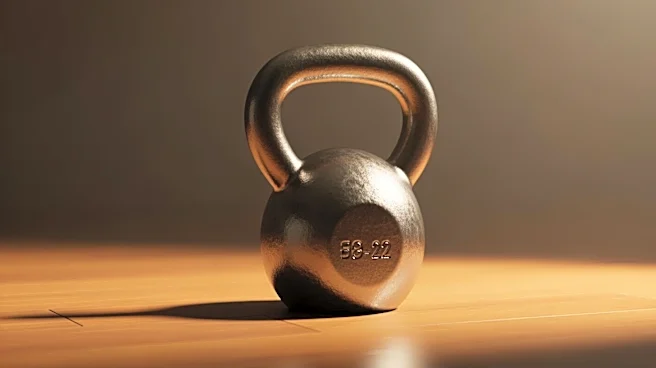





The kettlebell swing is a fundamental exercise in kettlebell training, known for its ability to build strength and endurance. This article explores the intricacies of the kettlebell swing, including its variations and the benefits it offers. Whether you're a beginner or an experienced lifter, mastering the kettlebell swing can enhance your fitness routine and improve your overall physical performance.
The Basics of the Kettlebell Swing
The kettlebell swing, also known as the Russian
swing, is a ballistic exercise that targets the posterior chain, including the glutes, hamstrings, and lower back. The movement involves swinging the kettlebell from just below the groin to a position between the upper abdomen and shoulders. The key to a successful swing is the effective thrusting of the hips, rather than lifting with the arms or squatting the weight up.
Proper form is crucial to maximize the benefits of the kettlebell swing and prevent injury. The exercise requires an intense contraction of the gluteal, abdominal, and latissimus muscles, as dynamic force is generated through multiple joints, including the hip, knee, ankle, and shoulder. By focusing on the hip hinge and maintaining a strong core, lifters can perform the swing safely and effectively.
Variations of the Kettlebell Swing
There are several variations of the kettlebell swing, each offering unique challenges and benefits. The one-arm swing, for example, presents a significant anti-rotation challenge, requiring greater core stability and coordination. The release and catch swing involves switching from a pronated to a supinated grip, adding an element of grip strength and dexterity.
Other variations include the walking swing, where a step is taken forward at the apex of each swing, and the suitcase swing, which mimics the motion of carrying a suitcase. These variations allow lifters to target different muscle groups and add variety to their workouts, preventing plateaus and keeping training sessions engaging.
Benefits of the Kettlebell Swing
The kettlebell swing offers numerous benefits, making it a valuable addition to any fitness regimen. It increases power and muscular endurance, as well as aerobic and anaerobic capacity. A 2010 study found that a 20-minute kettlebell snatch workout burned an average of 13.6 calories per minute aerobically and 6.6 calories per minute anaerobically, equivalent to running a 6-minute mile pace.
In addition to its cardiovascular benefits, the kettlebell swing improves grip strength, agility, and range of motion. It also enhances mental toughness, as the repetitive nature of the exercise requires focus and determination. By incorporating the kettlebell swing into your routine, you can achieve a well-rounded workout that boosts both strength and endurance.