

Fiber optic communications rely on advanced materials to ensure efficient and reliable data transmission. One such material is gel, which plays a crucial role in protecting and enhancing the performance of fiber optic cables. Understanding the application of gels in this field reveals their importance in modern communication systems.
Protecting Fiber Optic Cables
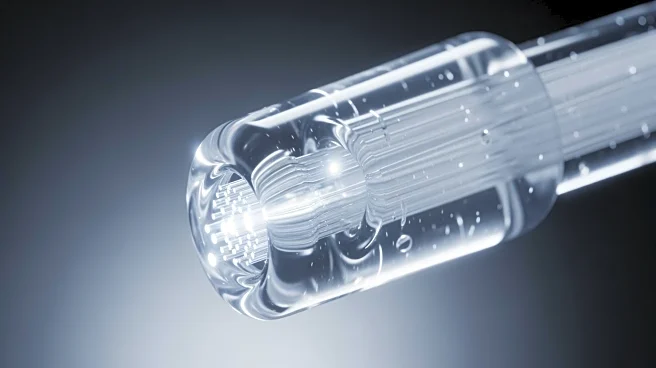
In fiber optic communications, a soft gel resembling hair gel in viscosity is used to fill the plastic tubes containing
the fibers. The primary purpose of this gel is to prevent water intrusion if the buffer tube is breached. Water can severely damage fiber optic cables, leading to signal loss and reduced performance.
The gel acts as a barrier, keeping moisture out and ensuring the longevity of the cables. Additionally, the gel buffers the fibers against mechanical damage when the tube is bent around corners during installation or flexed. This protective function is essential for maintaining the integrity of the fiber optic network.
Enhancing Installation and Performance
Beyond protection, gels also aid in the installation process of fiber optic cables. During construction, the gel helps keep the fibers central while the tube material is extruded around them. This ensures that the fibers are correctly positioned, reducing the risk of damage and improving signal quality.
The viscosity of the gel allows it to act as a processing aid, facilitating the smooth extrusion of the tube material. This property is particularly important in complex installations where precision is required. By enhancing the installation process, gels contribute to the overall performance and reliability of fiber optic communications.
Future Developments and Innovations
As fiber optic technology continues to evolve, the role of gels in this field is likely to expand. Researchers are exploring new formulations and applications to further improve the durability and efficiency of fiber optic networks. Innovations in gel technology could lead to enhanced protection against environmental factors and improved signal transmission.
The ongoing development of gels for fiber optic communications highlights their significance in modern technology. By providing protection, aiding installation, and enhancing performance, gels are an integral component of the communication systems that connect the world.