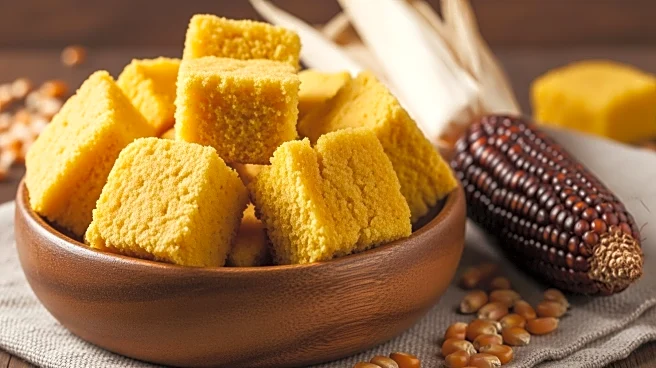




Cornbread is a beloved dish in Southern U.S. cuisine, but its origins can be traced back to Native American cooking. This article explores the Native American roots of cornbread, highlighting the influence of indigenous culinary traditions on this iconic dish.
The Role of Corn in Native American Diets
Corn, or maize, was a fundamental crop for Native American tribes across North America. It served as a primary food source and was used to create a variety of dishes, including cornbread. Tribes
such as the Hopi, Cherokee, and Seneca utilized cornmeal to make dumplings, pancakes, and other staple foods.
The versatility of cornmeal allowed Native Americans to create diverse dishes that were both nourishing and flavorful. Ingredients like chestnuts, sunflower seeds, and berries were often added to enrich the basic batter, showcasing the resourcefulness and creativity of Native American cooks.
Cornbread's Journey to the Southern United States
As European settlers arrived in the Americas, they adopted corn-based recipes from Native Americans. Cornbread became a staple in the Southern colonies, where wheat flour was scarce and expensive. The settlers adapted these recipes to suit their own tastes and available ingredients, leading to the creation of new variations.
Cornbread's role in Southern cuisine was solidified during this period, as it became a common accompaniment to meals and a symbol of Southern hospitality. The dish's simplicity and affordability made it a popular choice for generations, often served with butter or molasses.
Modern Cornbread and Its Native American Legacy
Today, cornbread continues to be a beloved dish in Southern cuisine, with modern recipes incorporating ingredients like sugar and wheat flour. These additions have sparked debates among cornbread enthusiasts, with some preferring the traditional savory version and others favoring a sweeter, cake-like texture.
Despite these variations, the Native American influence on cornbread remains evident. The use of cornmeal as a primary ingredient and the incorporation of local flavors reflect the enduring legacy of indigenous culinary traditions. Cornbread's journey from Native American roots to modern variations is a testament to the adaptability and cultural significance of this iconic dish.
As we enjoy cornbread today, we can appreciate its rich history and the contributions of Native American cooks who laid the foundation for this culinary staple. Whether served as a side dish or a main course, cornbread continues to bring people together around the table, celebrating the diverse flavors and traditions of the past.