





Restrictor plates play a crucial role in the world of NASCAR, primarily used to limit engine power and control speeds on superspeedways. These devices are essential for maintaining safety and ensuring competitive racing. By reducing the power output of engines, restrictor plates help manage the high speeds that cars can reach on large tracks, such as Talladega Superspeedway and Daytona International Speedway. This article delves into the function
and impact of restrictor plates in NASCAR racing.
The Function of Restrictor Plates
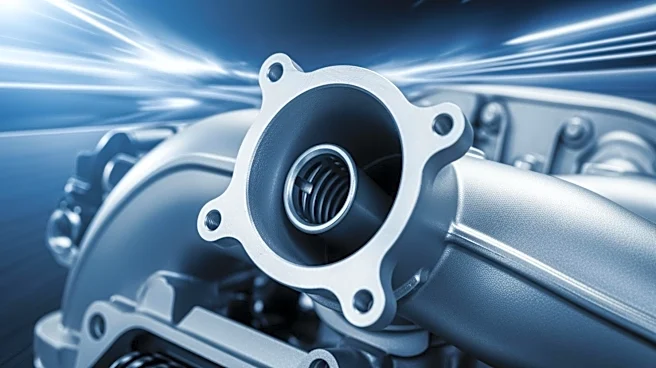
Restrictor plates are designed to limit the amount of air and fuel entering the engine, effectively reducing the engine's power output. This reduction in power is crucial on superspeedways, where cars can reach dangerously high speeds. By controlling the speed, restrictor plates help prevent accidents that could result from cars traveling too fast. The plates are typically used on tracks where the potential for high-speed crashes is significant, making them a vital safety feature in NASCAR.
The use of restrictor plates also affects the dynamics of the race. With reduced power, cars tend to run closer together, leading to more competitive and exciting races. This close racing can result in more strategic maneuvers and drafting, where drivers use the slipstream of the car in front to gain speed. While this can make for thrilling races, it also requires drivers to be more skilled and strategic in their approach.
Impact on Racing Strategy
The introduction of restrictor plates has significantly altered racing strategies in NASCAR. Drivers and teams must adapt to the reduced power and find new ways to gain an advantage on the track. One common strategy is drafting, where drivers position their cars closely behind another to reduce air resistance and increase speed. This technique is particularly effective on superspeedways, where the aerodynamic forces are strongest.
Restrictor plates also influence pit stop strategies. With reduced power, fuel consumption is affected, and teams must carefully plan their pit stops to ensure they have enough fuel to finish the race. Additionally, the close racing caused by restrictor plates can lead to more frequent and intense competition for position, making pit stop timing even more critical.
Safety and Controversy
While restrictor plates are primarily used for safety, they have not been without controversy. Some drivers and fans argue that the plates can lead to more accidents due to the close racing they encourage. The reduced power can also make it difficult for drivers to execute certain maneuvers, such as the slingshot pass, which was once a staple of NASCAR racing.
Despite these concerns, restrictor plates remain a key component of NASCAR's approach to safety. They help manage the high speeds that cars can reach on superspeedways, reducing the risk of catastrophic accidents. As NASCAR continues to evolve, the use of restrictor plates will likely remain a topic of discussion among drivers, teams, and fans alike.