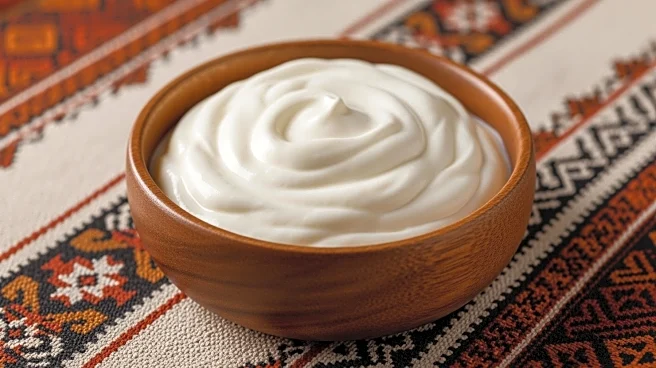

Matzoon, a fermented milk product, holds a special place in the culinary traditions of Armenia and Georgia. Known for its thick consistency and unique taste, Matzoon is more than just a food item; it is a cultural
symbol deeply embedded in the heritage of these regions. This article delves into the cultural and historical significance of Matzoon, highlighting its role in Armenian and Georgian societies.
Historical Roots of Matzoon
The history of Matzoon dates back centuries, with its origins rooted in Armenia. The first written accounts of Matzoon appear in medieval Armenian manuscripts, indicating its long-standing presence in the region. Notable figures such as Grigor Magistros and Hovhannes Erznkatsi documented the use of Matzoon in the 11th and 13th centuries, respectively. These historical references underscore the importance of Matzoon in Armenian culture, where it has been a staple for generations.
In Georgia, Matzoon is known as Matsoni and has been recognized as a protected geographical indication since 2012. This designation highlights the product's cultural and historical significance in Georgia, where it is celebrated as a traditional food item. The protection of Matsoni as a geographical indication ensures that its unique qualities and traditional production methods are preserved for future generations.
Matzoon in Modern Armenian and Georgian Cuisine
Today, Matzoon continues to be a vital component of Armenian and Georgian cuisine. In Armenia, it is often used in various dishes, including soups and sauces, adding a distinct flavor and texture. The preparation of Matzoon involves fermenting milk with specific lactic acid bacteria, which contributes to its high viscosity and unique taste.
In Georgian cuisine, Matsoni is enjoyed as a standalone dish or as an accompaniment to other foods. Its versatility makes it a popular choice in both everyday meals and special occasions. The continued use of Matzoon in modern cuisine reflects its enduring cultural significance and the deep-rooted traditions that surround it.
The Intangible Cultural Heritage of Matzoon
The tradition of preparing and consuming Matzoon is recognized as part of the intangible cultural heritage of Armenia. This acknowledgment emphasizes the cultural value of Matzoon and its role in preserving Armenian culinary traditions. The process of making Matzoon, passed down through generations, is a testament to the rich cultural heritage of the region.
In both Armenia and Georgia, Matzoon is more than just a food product; it is a symbol of cultural identity and heritage. Its historical roots, continued presence in modern cuisine, and recognition as an intangible cultural heritage highlight the importance of Matzoon in these societies. As a cherished tradition, Matzoon continues to connect people to their cultural past while remaining a beloved part of their culinary future.