





The Jeep Renegade, a subcompact crossover SUV, has been a staple in the Jeep lineup since its debut in 2014. As the smallest vehicle marketed by Jeep until the arrival of the Avenger, the Renegade has undergone several changes and updates over the years. This article explores the evolution of the Jeep Renegade, highlighting its development, design changes, and technological advancements.
Introduction to the Jeep Renegade
The Jeep Renegade was first introduced to the public in March
2014 at the Geneva Motor Show, with production starting later that year in August. It was designed to fill a niche in the Jeep lineup, slotting between the Avenger and the Compass. Built on the FCA Small Wide 4x4 platform, the Renegade shares its underpinnings with other models from Fiat and Alfa Romeo, showcasing a blend of Jeep's ruggedness with European design sensibilities.
The Renegade was notable for being the first Jeep product produced exclusively outside of North America. It is assembled in several locations, including Melfi, Italy; Goiana, Brazil; and Guangzhou, China. This global production strategy allowed Jeep to cater to a wide range of markets, including North America, Europe, Brazil, South Africa, Australia, Japan, and China.
Design and Features Over the Years
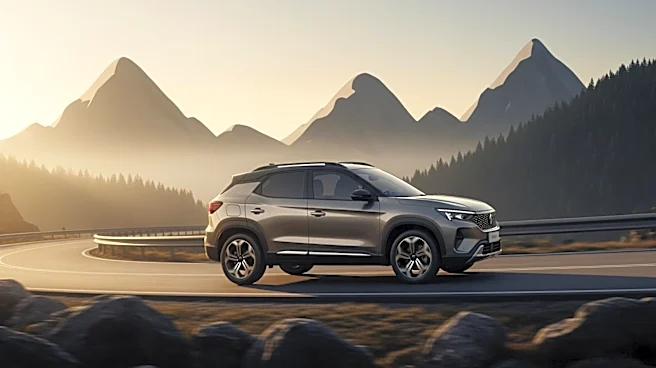
Since its launch, the Jeep Renegade has seen various design updates and feature enhancements. The vehicle's exterior has maintained its distinctive Jeep styling, with a boxy shape and iconic seven-slot grille. However, updates over the years have included redesigned bumpers, new LED headlamps, and a larger front grille, as seen in the 2019 model year refresh.
Inside, the Renegade offers a mix of practicality and technology. The introduction of the My Sky dual-panel removable roof provided an open-air experience reminiscent of the Jeep Wrangler. Technological advancements have been a focus, with updates to the infotainment system, including larger touchscreens and compatibility with Android Auto and Apple CarPlay.
Technological Advancements and Powertrain Options
The Jeep Renegade has kept pace with technological advancements, offering a range of powertrain options to suit different markets. Initially, the Renegade was available with a choice of engines, including a 1.4L MultiAir Turbocharged Inline Four-Cylinder and a 2.4L Tigershark Inline Four-Cylinder. Over the years, new engine options have been introduced, such as the 1.3L GSE Turbo Multiair engine, which replaced the 1.4L engine in the North American market.
In addition to traditional gasoline engines, the Renegade has embraced hybrid technology. The introduction of plug-in hybrid models, such as the Renegade 4xe, reflects Jeep's commitment to sustainability and innovation. These models offer a combination of a gasoline engine and an electric motor, providing improved fuel efficiency and reduced emissions.
The Jeep Renegade's journey from its debut to the present day highlights its adaptability and appeal in the competitive subcompact crossover market. With continuous updates and a focus on technology, the Renegade remains a popular choice for those seeking a versatile and stylish SUV.