



Corsica, an island in the Mediterranean Sea, boasts a rich cultural and linguistic heritage that sets it apart from other regions. The Corsican language, closely related to Italian, is a key component of the island's identity. This article explores the cultural influences that have shaped Corsica and the significance of the Corsican language in preserving its unique heritage.
The Corsican Language
Corsican, known as corsu or lingua corsa, is a Romance language that consists
of a continuum of Tuscan dialects. It is spoken on the island of Corsica and in the northern regions of Sardinia. The language is closely related to Standard Italian, which is based on the Florentine dialect. Corsica's proximity to Tuscany and historical connections have contributed to the linguistic similarities between Corsican and Italian.
Under the influence of Tuscany's Pisa and the Republic of Genoa, Corsican once served as a vernacular, with Italian functioning as the island's official language until France acquired Corsica in 1768. By 1859, French replaced Italian as the first language, leading to a significant language shift. Despite this, Corsican has retained its distinct identity, with an estimated 65% of islanders having some proficiency in the language by 1995.
Cultural Influences
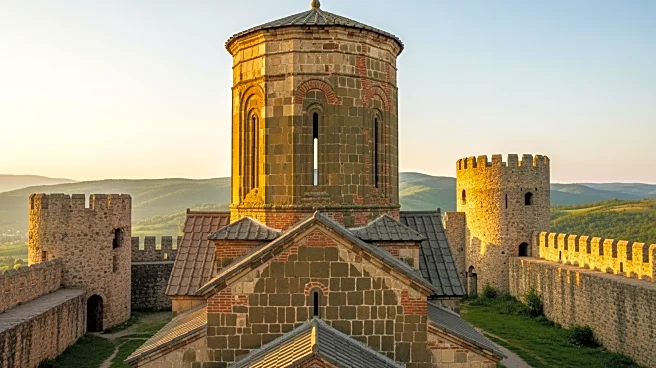
Corsica's culture has been shaped by various influences, including Italian, French, and indigenous traditions. The island's strategic location made it a hub for Mediterranean trade, attracting settlers and traders from different regions. This cultural exchange is evident in Corsica's cuisine, art, and architecture, which reflect a blend of Italian and French elements.
The Corsican language plays a crucial role in preserving the island's cultural heritage. It is considered a regional language under French law and is taught in schools to ensure its survival. Efforts to promote Corsican include bilingual road signs and cultural initiatives that celebrate the island's unique identity.
Modern Challenges and Preservation
Despite its rich heritage, the Corsican language faces challenges in the modern era. UNESCO classifies Corsican as a "definitely endangered language," highlighting the need for preservation efforts. The language is a key vehicle for Corsican culture, which is notably rich in proverbs and polyphonic song.
Governmental support for Corsican includes educational programs and cultural initiatives aimed at promoting bilingualism. The University of Corsica plays a central role in these efforts, offering courses in Corsican and supporting research on the language and culture.
Corsica's cultural and linguistic heritage is a testament to its resilience and adaptability. The island's unique identity continues to thrive, supported by efforts to preserve its language and traditions for future generations.