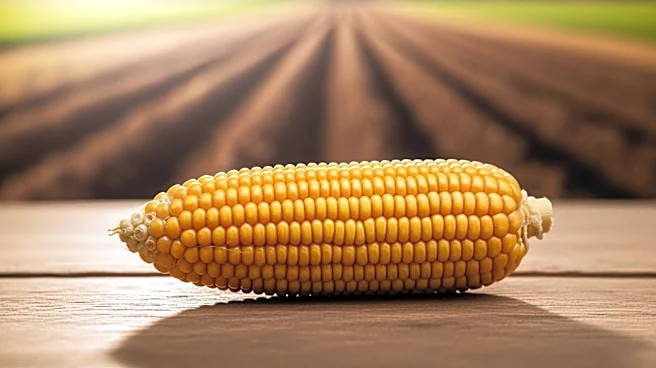







Corn, also known as maize, is a cornerstone of the U.S. agricultural sector and plays a significant role in the nation's economy. As the largest producer of corn globally, the United States dedicates vast tracts of land to its cultivation, primarily in the Midwest. This article delves into the economic impact of corn production in the U.S., highlighting its uses and significance.
Corn Production and Economic Impact
The United States is the world's leading producer of corn, with approximately
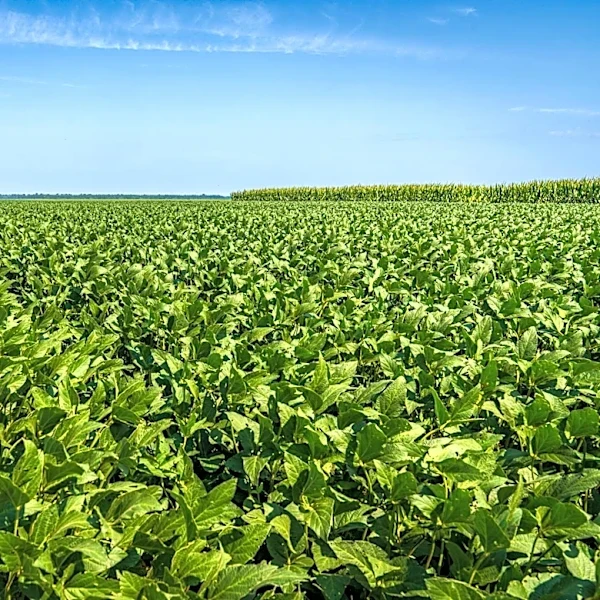
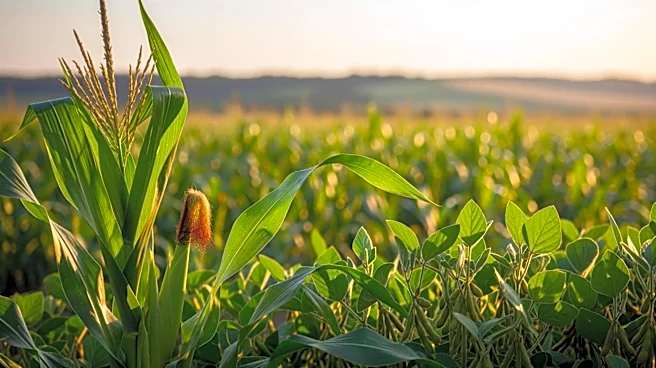
96 million acres of land dedicated to its cultivation. This massive scale of production not only supports the domestic economy but also positions the U.S. as a major player in the global corn market. Corn production is concentrated in regions like Iowa and Illinois, where the climate and soil conditions are particularly favorable.
Corn's economic impact is multifaceted. It is a vital component of the agricultural sector, contributing significantly to the GDP. The crop's versatility allows it to be used in various industries, from food production to biofuels, which further amplifies its economic importance. The export of corn also plays a crucial role, with about 13% of the annual yield being shipped overseas, thus contributing to the trade balance.
Uses of Corn in the U.S.
Corn's primary uses in the U.S. include ethanol production and livestock feed. Ethanol, a biofuel derived from corn, accounts for a significant portion of corn usage. The production of ethanol not only provides an alternative energy source but also supports the agricultural economy by creating demand for corn.
Livestock feed is another major use of corn, with a substantial portion of the crop being used to feed cattle, poultry, and hogs. This supports the meat and dairy industries, which are integral to the U.S. food supply chain. Additionally, corn is processed into various food products, including corn syrup, which is a common sweetener in many processed foods.
The Future of Corn Production
The future of corn production in the U.S. looks promising, with advancements in agricultural technology and hybrid crop varieties leading to increased yields. These innovations have made corn farming more efficient, allowing for higher production levels without expanding the land area.
However, the industry faces challenges, such as fluctuating market prices and environmental concerns related to intensive farming practices. Addressing these issues will be crucial for sustaining the economic benefits of corn production. As the demand for biofuels and food products continues to grow, corn will likely remain a vital component of the U.S. economy.
In conclusion, corn is more than just a staple crop in the U.S.; it is a driving force in the economy, supporting various industries and contributing to global trade. Its diverse applications and economic significance underscore the importance of continued innovation and sustainable practices in corn production.