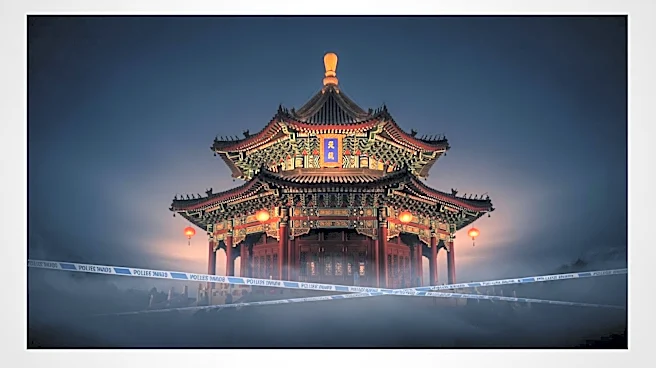







Grauman's Chinese Theatre, a landmark on the Hollywood Walk of Fame, has been a symbol of cinematic grandeur since its opening in 1927. Designed by Sid Grauman, this iconic theater has undergone several transformations, reflecting the changing landscape of Hollywood and the film industry. From its early days as a premiere venue to its modern IMAX conversion, the theater's history is a testament to its enduring appeal and significance.
Beginnings and Early Success
The idea for
Grauman's Chinese Theatre was conceived in 1923 during a meeting at Fox West Coast Theatres. Sid Grauman, along with Mary Pickford, Douglas Fairbanks, and other executives, initially planned a venue dedicated to spoken drama. However, the project was shelved for three years, during which time the focus shifted to a movie theater due to the rising popularity of films. Construction began in January 1926, and the theater opened on May 18, 1927, with the premiere of Cecil B. DeMille's "The King of Kings."
The theater quickly became a hub for Hollywood premieres, hosting events for films like "Star Wars" in 1977. Its forecourt, featuring concrete blocks with celebrity handprints and footprints, became a unique attraction, drawing visitors eager to see the imprints of their favorite stars. This tradition began by accident when Norma Talmadge stepped into wet concrete, inspiring Grauman to formalize the practice.
Changes and Renovations
Over the years, Grauman's Chinese Theatre has seen several changes in ownership and name. In 1973, it was renamed Mann's Chinese Theatre, a title it held until 2001 when it reverted to its original name. In 2013, TCL Corporation purchased the naming rights, and the theater became known as the TCL Chinese Theatre.
Significant renovations have also taken place. In 2013, the theater collaborated with IMAX Corporation to convert the venue into a custom-designed IMAX theater. This renovation included a seating capacity of 932 and one of the largest movie screens in North America, ensuring the theater remained a cutting-edge venue for film premieres.
Cultural Impact and Legacy
Grauman's Chinese Theatre is more than just a movie palace; it is a cultural icon. Its architecture, featuring a 90-foot pagoda and traditional Chinese ornamentations, stands as a testament to the Exotic Revival style. The theater's influence extends beyond Hollywood, with its design inspiring similar theaters across the United States.
The theater's role in Hollywood history is cemented by its hosting of three Academy Awards ceremonies and countless film premieres. It continues to be a major tourist attraction, drawing millions of visitors each year who come to experience its rich history and cinematic legacy. As it adapts to modern technological advancements, Grauman's Chinese Theatre remains a symbol of Hollywood's golden age and its ongoing evolution.