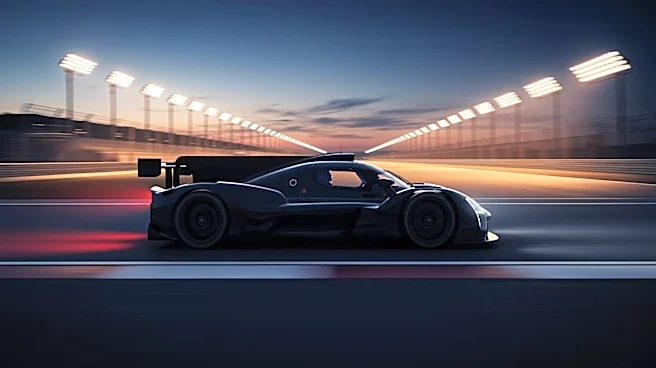


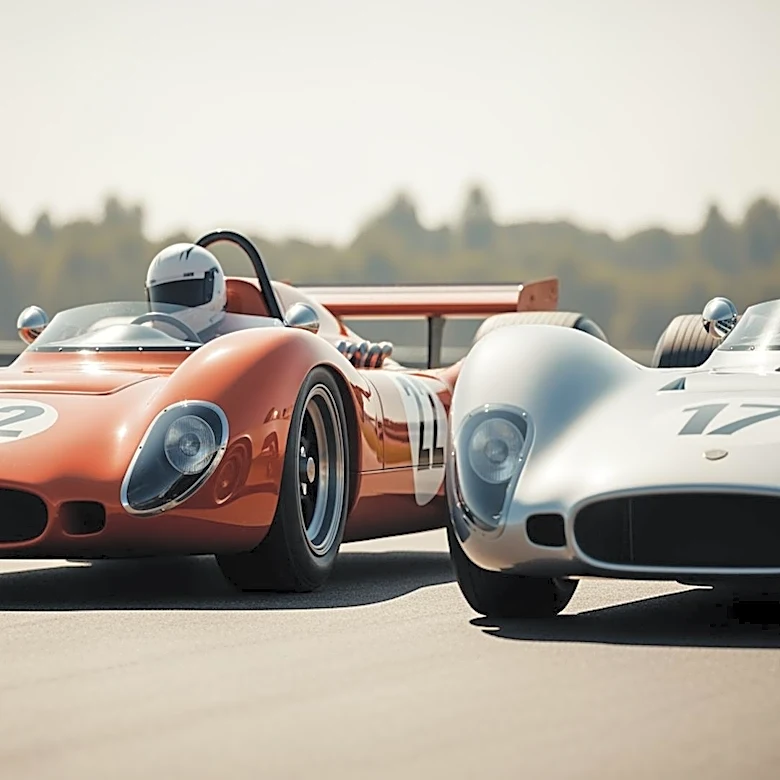



Endurance racing is a cornerstone of sports car racing, known for its grueling tests of reliability, strategy, and teamwork. Unlike sprint races, endurance events challenge both the machines and their drivers over extended periods, often lasting from six to 24 hours. This format has become synonymous with some of the most prestigious races in the world, drawing top manufacturers and drivers to compete for glory.
The Essence of Endurance Racing
The primary focus of endurance racing
is not just speed but also the ability to maintain performance over long distances. Races like the 24 Hours of Le Mans, 12 Hours of Sebring, and 24 Hours of Daytona are iconic events that test the limits of engineering and human endurance. These races require teams to balance speed with reliability, as mechanical failures or driver errors can be costly.
Endurance racing places a significant emphasis on teamwork. Multiple drivers share the responsibility of piloting the car, often rotating in shifts to manage fatigue. Pit crews play a crucial role in ensuring quick and efficient stops for refueling, tire changes, and repairs. The coordination and communication between drivers, engineers, and pit crews are vital to success in these demanding events.
Technological Challenges
The extended duration of endurance races presents unique technological challenges. Cars must be designed to withstand the rigors of continuous high-speed driving, with a focus on durability and fuel efficiency. Manufacturers use these races as a testing ground for new technologies, such as hybrid powertrains and advanced aerodynamics, which can later be adapted for consumer vehicles.
Fuel management is a critical aspect of endurance racing. Teams must strategize to optimize fuel consumption without sacrificing performance. This has led to innovations in engine efficiency and alternative fuels, contributing to the development of more sustainable automotive technologies.
The Prestige of Endurance Racing
Endurance racing holds a special place in the world of motorsport, with a rich history and a reputation for producing legendary moments. Winning an endurance race is considered a significant achievement, showcasing a team's engineering prowess and strategic acumen. The prestige of events like Le Mans has attracted major manufacturers, including Porsche, Audi, and Toyota, who view success in endurance racing as a testament to their brand's capabilities.
In conclusion, endurance racing is a vital component of sports car racing, offering a unique blend of speed, strategy, and resilience. Its influence extends beyond the track, driving technological advancements and shaping the future of the automotive industry. As endurance racing continues to evolve, it remains a thrilling and essential part of the motorsport landscape.