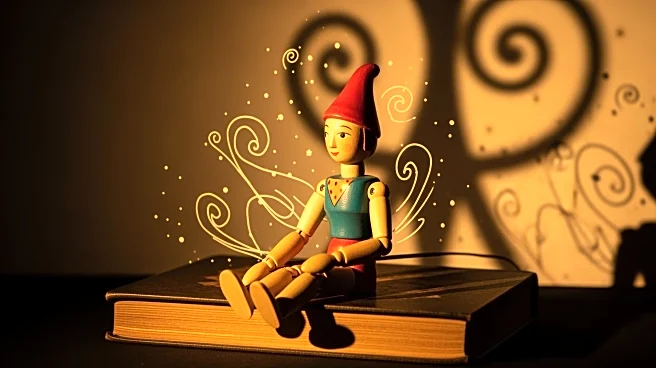




Disney's 1940 film Pinocchio is more than just an animated classic; it is a rich tapestry of moral lessons and character development. The story follows a wooden puppet named Pinocchio, who is brought to life by a blue fairy and embarks on a journey to become a real boy. Throughout the film, Pinocchio's adventures serve as a vehicle for exploring themes of bravery, truthfulness, and selflessness.
The Moral Compass: Jiminy Cricket
At the heart of Pinocchio's journey is Jiminy Cricket,
who serves as the puppet's conscience. Assigned by the blue fairy, Jiminy's role is to guide Pinocchio in distinguishing right from wrong. This relationship is central to the film's exploration of morality. Jiminy's presence highlights the importance of having a moral compass and the challenges of adhering to it.
Pinocchio's interactions with Jiminy Cricket illustrate the struggle between temptation and virtue. As Pinocchio encounters various characters and situations, he often strays from the path of righteousness, despite Jiminy's guidance. These moments of conflict emphasize the difficulty of making ethical choices, especially when faced with enticing alternatives.
Trials and Temptations
Pinocchio's journey is fraught with temptations that test his character. From joining Stromboli's puppet show to visiting Pleasure Island, each encounter presents a moral dilemma. These trials serve as allegories for the consequences of succumbing to vice and the importance of personal responsibility.
The film's depiction of Pleasure Island is particularly poignant. Here, Pinocchio and other boys indulge in reckless behavior, only to be transformed into donkeys as a result. This transformation symbolizes the loss of humanity that comes from abandoning one's moral values. It is a stark reminder of the dangers of hedonism and the need for self-discipline.
Redemption and Transformation
Ultimately, Pinocchio's story is one of redemption and transformation. Despite his missteps, Pinocchio learns from his experiences and demonstrates bravery, truthfulness, and selflessness. His willingness to sacrifice himself to save Geppetto from Monstro the whale is a pivotal moment that marks his growth as a character.
The blue fairy's decision to turn Pinocchio into a real boy is a testament to his moral development. It signifies that true humanity is not defined by physical form but by one's actions and character. Pinocchio's transformation is a powerful message about the potential for change and the rewards of living a virtuous life.
Disney's Pinocchio remains a timeless tale of morality and transformation, resonating with audiences through its universal themes and enduring lessons.