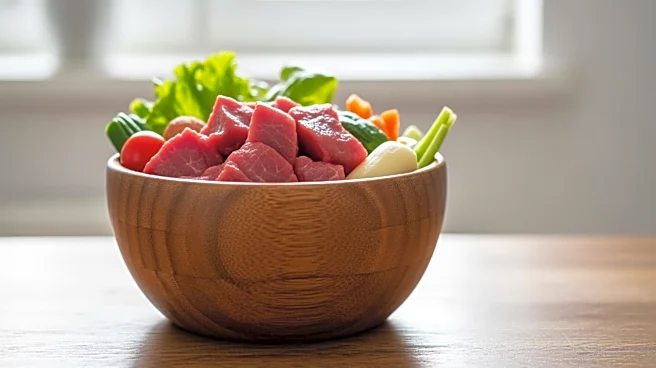










Raw feeding, the practice of feeding pets uncooked meat, bones, and organs, has gained popularity among pet owners who believe it is a more natural diet for their animals. However, this trend is not without its controversies and risks. Veterinary associations have raised concerns about the potential health hazards associated with raw feeding, including foodborne illnesses and nutritional imbalances.
The Appeal of Raw Feeding
Many pet owners are drawn to raw feeding because
they perceive it as a way to connect their pets with their wild ancestry. The idea is that feeding pets raw food allows them to eat as they would in the wild, which is believed to be healthier and more natural. This movement has paralleled human food trends that favor organic and natural products, reflecting a broader cultural shift towards more natural lifestyles.
Despite the appeal, there is no scientific evidence to support the notion that raw feeding provides any health benefits over conventional diets. The belief in better health outcomes is largely anecdotal, and pet owners should be cautious about adopting this feeding practice without understanding the potential risks involved.
Health Risks and Concerns
One of the primary concerns with raw feeding is the risk of foodborne illnesses. Raw meat can harbor harmful bacteria and parasites, which can pose serious health risks to both pets and humans. Salmonella and E. coli are common pathogens found in raw diets, and they can lead to severe illness if ingested.
Additionally, raw diets may be nutritionally incomplete, leading to deficiencies in essential vitamins and minerals. Feeding bones, a common component of raw diets, can also result in dental trauma or gastrointestinal blockages and perforations. These health risks have led veterinary associations to warn against raw feeding, emphasizing the importance of balanced nutrition for pets.
The Debate Among Pet Owners
Despite the warnings from veterinary associations, many pet owners continue to advocate for raw feeding, citing personal experiences and beliefs about its benefits. The debate between proponents and opponents of raw feeding is ongoing, with each side presenting arguments based on their perspectives and experiences.
Proponents argue that raw feeding can improve skin and coat health, enhance dental health, and provide a more natural diet for pets. Opponents, however, stress the importance of scientific evidence and the potential dangers associated with raw diets.
As the raw feeding trend continues to grow, it is crucial for pet owners to weigh the risks and benefits carefully. Consulting with veterinarians and animal nutritionists can help ensure that pets receive a balanced and safe diet, whether raw or conventional.