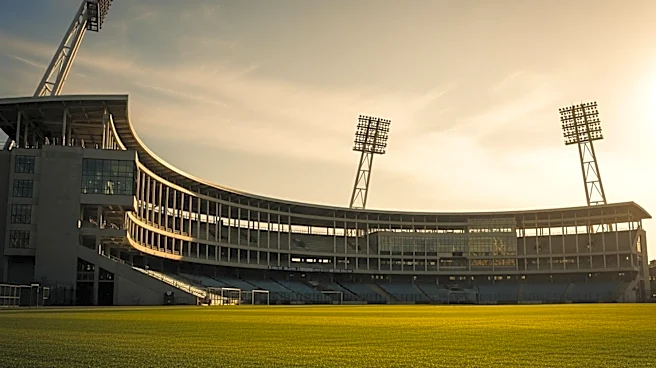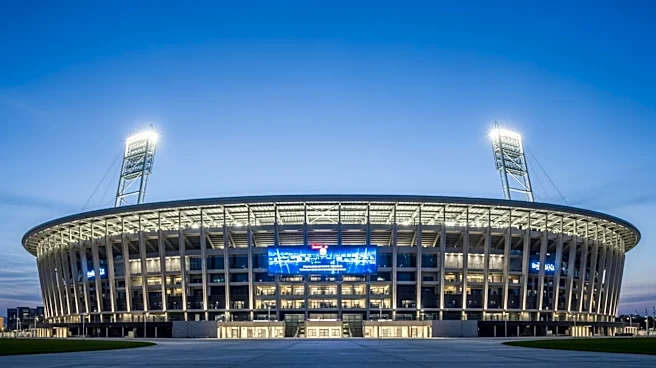

The Stade Vélodrome in Marseille, France, has undergone significant transformations since its inauguration in 1937. Originally built to host a variety of sports, the stadium has evolved to become a premier
venue for football and rugby, as well as a site for major international events. This article explores the key phases of the stadium's development, highlighting its architectural changes and the events that have shaped its history.
The Early Years and Initial Construction
The Stade Vélodrome was inaugurated on June 13, 1937, with a friendly match between Olympique de Marseille and Torino FC. Designed by architect Henri Ploquin, the stadium was initially intended to serve as a multi-purpose venue, featuring a cycling track and facilities for athletics. The original capacity was 35,000, and it quickly became the home of Olympique de Marseille, a relationship that continues to this day.
In its early years, the stadium hosted a variety of sports, including rugby and cycling. However, as the popularity of football grew, the focus shifted towards accommodating larger crowds for football matches. The cycling track was eventually removed, and the stadium underwent its first major renovation in the 1970s to increase seating capacity and improve facilities.
Renovations for International Events
The Stade Vélodrome has been a key venue for several international events, prompting significant renovations over the years. For the 1998 FIFA World Cup, the stadium's capacity was expanded to 60,000, and the cycling track was permanently removed. This renovation marked a turning point, as the stadium transitioned from a multi-purpose venue to a football-centric arena.
Further renovations were undertaken in preparation for the UEFA Euro 2016. The stadium's capacity was increased to 67,394, and a roof was added to enhance the spectator experience. These changes not only modernized the facility but also solidified its status as a top-tier venue for international competitions.
The Modern Era and Future Prospects
Today, the Stade Vélodrome is recognized as one of France's premier sports venues. It regularly hosts matches for Olympique de Marseille and the French national rugby team, as well as concerts and other large-scale events. The stadium's modern amenities and increased capacity have made it a preferred location for major sporting events, including the Rugby World Cup and the upcoming 2024 Summer Olympics.
Looking ahead, the Stade Vélodrome continues to be a symbol of Marseille's rich sporting culture. Its ongoing evolution reflects the city's commitment to providing world-class facilities for athletes and fans alike. As it approaches its centennial, the stadium remains a vital part of Marseille's identity, poised to host future generations of sports enthusiasts.