

Feeding a companion parrot involves more than just providing seeds and water. Parrots have complex dietary needs that must be met to ensure their health and well-being. This article explores the nutritional requirements of parrots, the challenges of feeding them, and the best practices for maintaining a balanced diet.
Understanding Parrot Dietary Needs
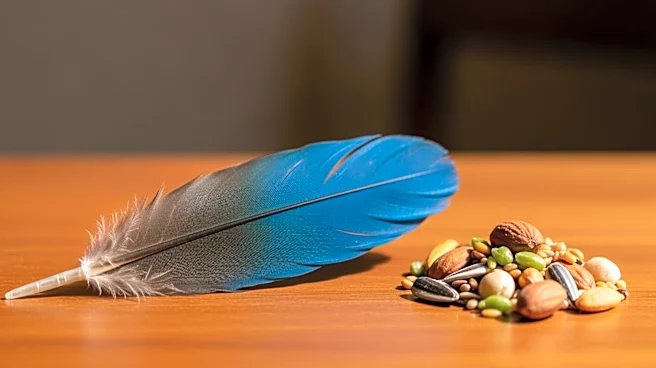
Parrots are primarily frugivorous, meaning their diet consists mainly of fruits, nuts, and seeds. In the wild, they also consume flowers,
tree bark, insects, and snails. This diverse diet provides them with the necessary nutrients to thrive. In captivity, replicating this diet can be challenging, but it is essential for their health.
A balanced diet for a parrot should include a variety of fresh fruits and vegetables, which provide essential vitamins and minerals. Pellets or formulated diets are often recommended as a base diet, as they prevent parrots from picking out only their favorite seeds, which are usually high in fat. However, these should be supplemented with fresh produce to ensure a well-rounded diet.
Challenges of Feeding Parrots
One of the main challenges of feeding parrots is ensuring they receive the right balance of nutrients. Over-supplementing pellets with fresh food can dilute the diet, making it less effective. Additionally, some foods are toxic to parrots and should be avoided entirely. These include chocolate, caffeine, alcohol, and avocado.
Parrots also have specific dietary requirements based on their species and activity level. For example, larger parrots may require more food and a higher fat content in their diet, while smaller parrots may need less. Consulting with an avian veterinarian can help owners determine the best diet for their specific parrot.
Best Practices for Parrot Nutrition
To ensure a parrot receives a balanced diet, owners should provide a variety of foods and monitor their parrot's health and behavior. Fresh fruits and vegetables should be thoroughly rinsed before feeding, and canned produce should be avoided due to its high salt content. Offering a mix of different foods can also provide mental stimulation and enrichment for the parrot.
Regular veterinary check-ups are important to monitor a parrot's health and address any nutritional deficiencies. By understanding and meeting the dietary needs of their parrots, owners can help ensure their feathered friends live long, healthy lives. With the right care and attention, parrots can thrive in captivity and bring joy to their human companions.