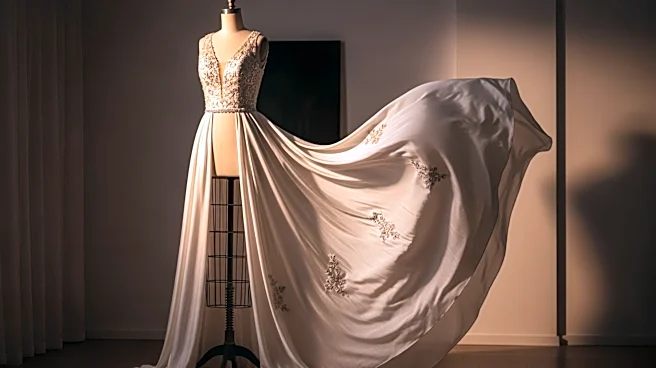

Evening gowns have played a significant role in cultural and social settings throughout history. These garments are not just about fashion; they are symbols of status, elegance, and societal norms. This
article delves into the cultural significance of evening gowns, exploring how they have been used to convey social messages and reflect cultural shifts.
Evening Gowns as Status Symbols
Historically, evening gowns have been closely tied to social status. In the 15th century, the Burgundian court set the stage for evening wear as a marker of nobility. Rich fabrics like silk and velvet were reserved for the upper classes, and the addition of a train to a kirtle was a clear indicator of a woman's rank. Clothing was a powerful tool for displaying wealth and success, particularly as the Renaissance allowed wealthy merchants to join the ranks of the fashion-conscious elite.
As evening gowns evolved, they continued to serve as status symbols. The intricate designs and luxurious materials used in court dresses during the Baroque era, for example, were a testament to the wearer's social standing. Even today, evening gowns are often associated with high society events, such as charity balls and red carpet appearances, where they continue to signify elegance and prestige.
Reflecting Cultural Shifts
Evening gowns have also mirrored cultural changes over time. The transition from the Italian Renaissance to the French Baroque era, for instance, marked a shift in fashion centers and styles. The elaborate designs of the 17th century French court reflected the opulence and grandeur of Louis XIV's reign.
In the 20th century, evening gowns adapted to the changing roles of women in society. The 1920s Flapper era introduced simpler cuts and higher hemlines, reflecting the newfound freedom and independence of women. The 1930s brought about bias cuts and artificial fibers, showcasing technological advancements and a move towards more practical fashion.
Evening Gowns in Contemporary Culture
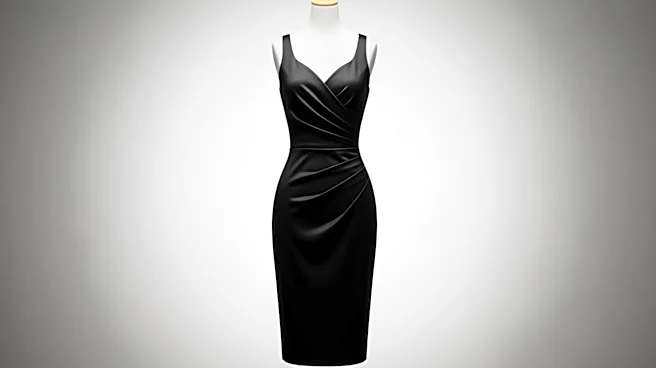
Today, evening gowns continue to hold cultural significance. They are worn at various formal events, from weddings to theater premieres, and are often seen as a reflection of personal style and identity. The diversity of silhouettes and designs available today allows individuals to express themselves while adhering to traditional notions of elegance and formality.
Evening gowns also play a role in cultural events such as debutante balls and quinceañeras, where they symbolize a young woman's transition into adulthood. These events highlight the gown's role in marking significant life milestones and celebrating cultural heritage.
In conclusion, evening gowns are more than just garments; they are cultural artifacts that have evolved alongside society, reflecting changes in social norms, cultural values, and individual expression.