








Aftershave has been a staple in men's grooming routines for generations, evolving significantly over time. Originally, aftershave was a simple concoction of natural ingredients like witch-hazel and bay rum, but it has since transformed into a diverse range of products designed to soothe and protect the skin. This article delves into the historical development of aftershave, highlighting key changes and innovations that have shaped its current form.
Early Aftershave Ingredients
In the early days of aftershave, the primary ingredients were natural substances known for their soothing and antiseptic properties. Witch-hazel, a plant extract, was commonly used due to its ability to reduce skin irritation and prevent infection. Bay rum, another popular ingredient, was a distillate made from rum and the leaves or berries of the West Indian bay tree. These ingredients were not only effective but also readily available, making them ideal for use in aftershave products.
The use of these natural ingredients was documented in shaving guides of the time, indicating their widespread acceptance and popularity. Both witch-hazel and bay rum are still sold as aftershaves today, a testament to their enduring appeal and effectiveness. However, as the needs and preferences of consumers evolved, so too did the formulations of aftershave products.
The Introduction of Alcohol-Based Aftershaves
As the grooming industry advanced, alcohol-based aftershaves became the norm. These products were designed to provide an immediate stinging sensation upon application, which was believed to indicate their effectiveness in preventing infection and closing pores. The alcohol acted as an antiseptic, reducing the risk of cuts becoming infected and serving as an astringent to minimize skin irritation.
Despite their popularity, alcohol-based aftershaves were not without drawbacks. The stinging sensation, while initially perceived as a sign of efficacy, could be uncomfortable for some users. Additionally, alcohol can be drying to the skin, leading to the development of alternative formulations that offered similar benefits without the harsh effects.
Modern Aftershave Innovations
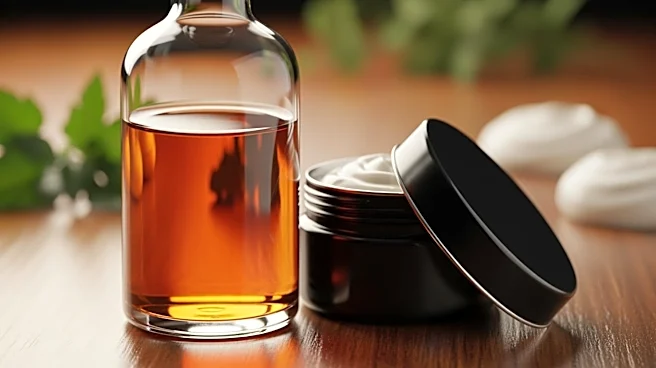
In response to consumer demand for gentler products, the aftershave market has expanded to include a variety of non-alcohol-based options. Aftershave balms, for example, are frequently recommended for winter use due to their moisturizing properties. These balms are typically alcohol-free and lotion-like, providing hydration and soothing benefits to the skin.
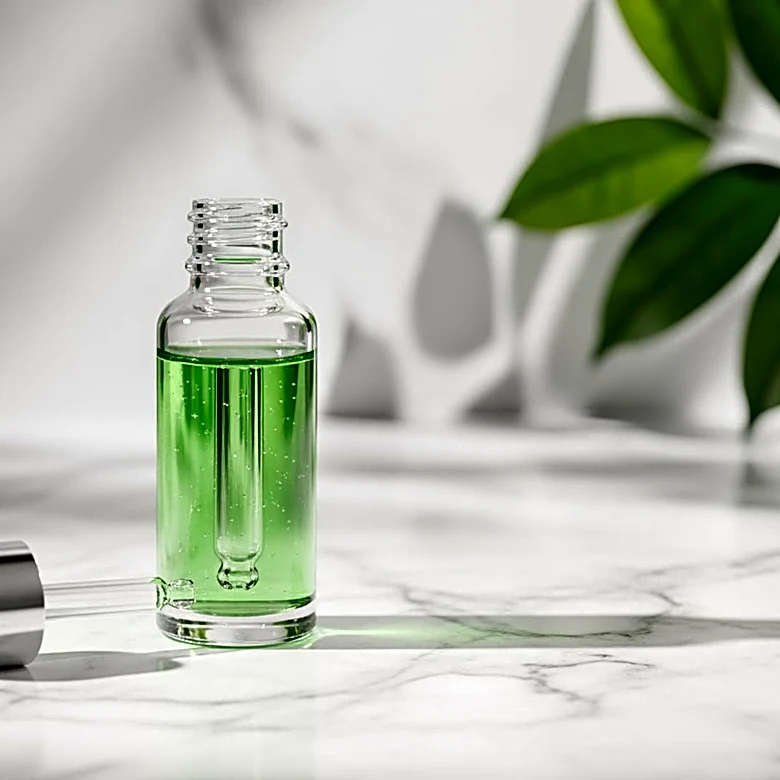
Modern aftershaves often incorporate fragrances or essential oils to enhance their scent, offering a more pleasant experience for users. Additionally, ingredients like menthol are used in some varieties to numb irritated skin, providing relief from the discomfort associated with shaving.
The evolution of aftershave reflects broader trends in the grooming industry, with a focus on creating products that are both effective and enjoyable to use. As consumer preferences continue to shift, it is likely that aftershave formulations will continue to adapt, offering new innovations and improvements in the years to come.