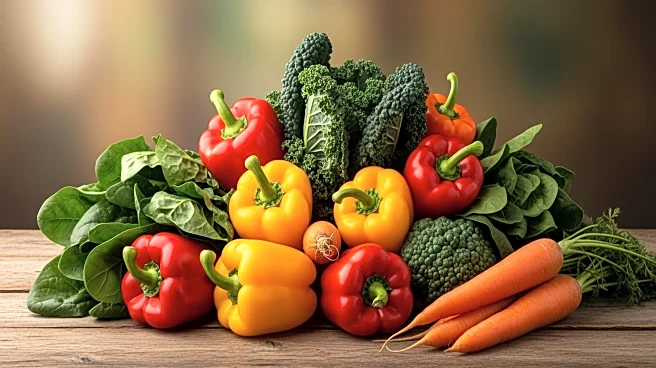

Vegetables are not only a dietary staple but also hold significant cultural and culinary importance across the globe. From traditional dishes to symbolic meanings, vegetables play a vital role in shaping
the culinary identities of various cultures. Exploring the cultural significance of vegetables reveals their impact on traditions, cuisines, and social practices.
Vegetables in Traditional Cuisines
In many cultures, vegetables are central to traditional dishes and culinary practices. For example, in the Southern United States, collard greens and other leafy vegetables are often cooked with pork, creating a dish that is both flavorful and culturally significant. This dish, known as soul food, reflects the region's history and African-American heritage. Similarly, in Greek cuisine, a variety of greens known as khorta are commonly used in salads and side dishes, seasoned with olive oil and lemon. These dishes highlight the importance of vegetables in providing flavor, nutrition, and cultural identity.
Symbolic Meanings of Vegetables
Beyond their culinary uses, vegetables often hold symbolic meanings in different cultures. In some societies, certain vegetables are associated with prosperity, health, or fertility. For instance, in Chinese culture, leafy greens like bok choy are often served during celebrations as a symbol of wealth and good fortune. The vibrant colors and diverse shapes of vegetables can also represent abundance and diversity, making them a popular choice for festive occasions and rituals.
Vegetables in Social Practices
Vegetables also play a role in social practices and community events. Farmers' markets, community gardens, and food festivals often feature a wide array of vegetables, bringing people together to celebrate local produce and sustainable agriculture. These events provide opportunities for individuals to connect with their food sources, learn about different vegetable varieties, and support local farmers. In many cultures, the act of growing, harvesting, and sharing vegetables fosters a sense of community and connection to the land.
The cultural significance of vegetables extends beyond their nutritional value, influencing culinary traditions, social practices, and symbolic meanings. By understanding the diverse roles that vegetables play in different cultures, we can appreciate their impact on our lives and communities. As global culinary practices continue to evolve, vegetables remain a vital component of cultural identity and heritage, enriching our diets and our understanding of the world.