






Paul McCartney's debut solo album, released in 1970, marked a significant departure from the polished productions of the Beatles. Embracing a lo-fi style, McCartney's self-titled album showcased his willingness to experiment and break away from traditional recording techniques. This article explores the lo-fi aesthetic of McCartney's solo debut and its impact on the music industry.
Embracing Simplicity
In contrast to the elaborate arrangements and studio sophistication
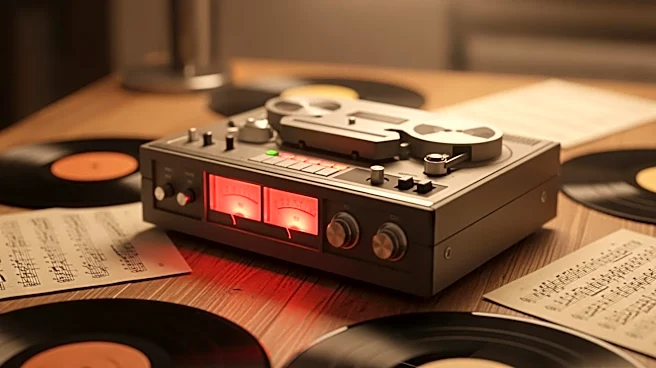
of the Beatles' work, McCartney's solo album embraced simplicity and rawness. Recorded primarily at his home using basic equipment, the album's lo-fi sound was a deliberate choice. McCartney sought to capture the authenticity and spontaneity of his music, free from the constraints of a professional studio.
The decision to record at home allowed McCartney to experiment with different sounds and techniques. By overdubbing on a four-track tape recorder, he played all the instruments himself, creating a one-man-band experience. This approach not only highlighted McCartney's versatility as a musician but also set the stage for a new era of DIY music production.
A Break from Tradition
The lo-fi style of McCartney's solo debut was a bold departure from the Beatles' polished sound. By eschewing the production polish that characterized the band's later albums, McCartney embraced a more organic and unrefined approach. This decision was not without its critics, as some viewed the album as under-produced and lacking in cohesion.
Despite the initial criticism, the lo-fi aesthetic resonated with listeners who appreciated the album's raw emotion and authenticity. Songs like "Maybe I'm Amazed" stood out for their heartfelt lyrics and stripped-down arrangements, earning praise for their sincerity and vulnerability. Over time, the album's influence on lo-fi music and DIY musicians became more apparent, solidifying its place in music history.
Influence on Future Generations
McCartney's embrace of lo-fi recording techniques paved the way for future generations of musicians. The album's success demonstrated that high-quality production was not a prerequisite for creating impactful music. Instead, it highlighted the importance of creativity and authenticity in the recording process.
The lo-fi revolution sparked by McCartney's solo debut inspired countless artists to explore home recording and self-production. It challenged the notion that music had to be polished and perfect, encouraging musicians to experiment and take risks. As a result, the lo-fi aesthetic became a defining characteristic of many genres, from indie rock to bedroom pop.
In conclusion, Paul McCartney's debut solo album was a groundbreaking work that embraced the lo-fi style and challenged traditional recording norms. By prioritizing authenticity and creativity over production polish, McCartney set the stage for a new era of music-making that continues to inspire artists today.