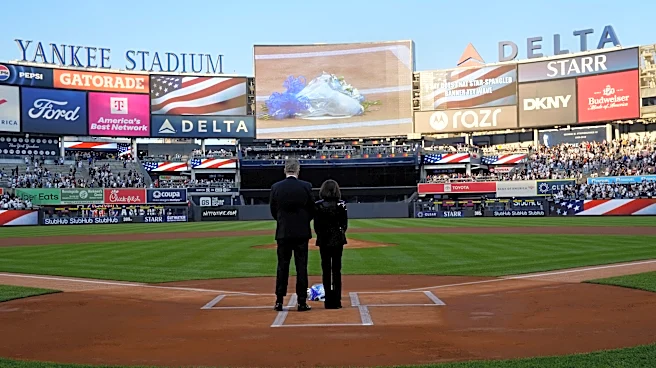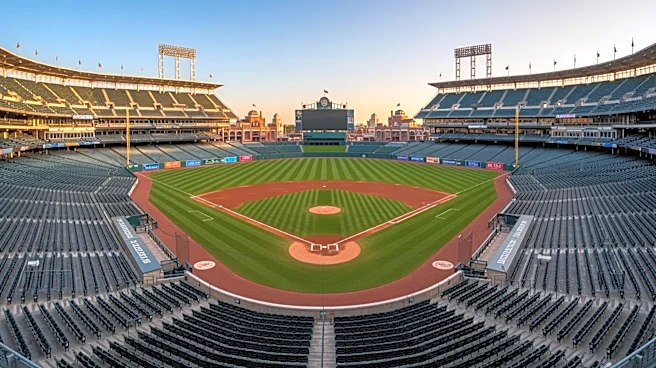







Yankee Stadium, opened in 1923, was more than just a sports venue; it was a cultural and historical landmark that played a significant role in American sports and society. Known as "The House That Ruth Built," the stadium was home to the New York Yankees until 2008 and hosted numerous memorable events that left a lasting impact on the city of New York and beyond.
A Hub for Sports and Entertainment
From its inception, Yankee Stadium was designed to be a premier destination for sports
and entertainment. It was the largest stadium in Major League Baseball at the time, with a seating capacity of 58,000, later expanded to accommodate even more fans. The stadium's design and size made it an ideal location for a variety of events beyond baseball.
In addition to hosting Yankees games, the stadium was the home field for the New York Giants football team from the mid-1950s to the early 1970s. It also served as a venue for college football, soccer matches, and boxing events. The stadium's versatility and central location in the Bronx made it a popular choice for large-scale events, including concerts and even a mass conducted by the Pope.
The House That Ruth Built
Yankee Stadium earned its nickname "The House That Ruth Built" due to the immense popularity of Babe Ruth, one of baseball's greatest players. Ruth's presence on the Yankees drew massive crowds, and his legendary home runs became a defining feature of the stadium's early years. His influence was so profound that the stadium became synonymous with his name, further enhancing its cultural significance.
The stadium's connection to Ruth and other baseball legends like Lou Gehrig and Joe DiMaggio contributed to its status as a hallowed ground for baseball fans. Over the years, Yankee Stadium became a symbol of the Yankees' success and a place where fans could witness history in the making.
A Legacy of Memories
Throughout its 85-year history, Yankee Stadium was the site of countless memorable moments. From historic baseball games to iconic concerts, the stadium hosted events that resonated with fans and left an indelible mark on American culture. Its demolition in 2009 marked the end of an era, but the memories created within its walls continue to be cherished by those who experienced them.
Yankee Stadium's legacy as a cultural and historical landmark endures, reflecting the rich history of the New York Yankees and the city itself. Its influence on sports, entertainment, and society remains a testament to its significance as one of America's most iconic venues.