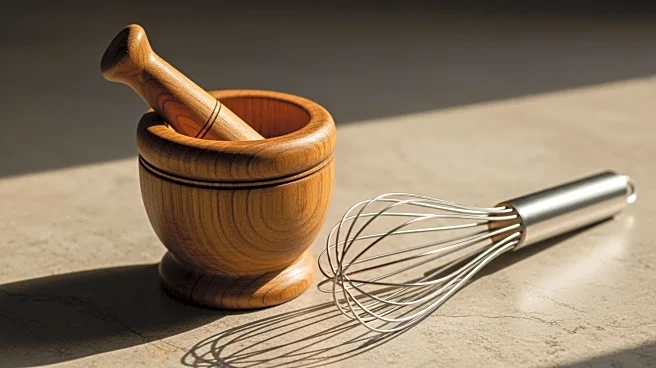




Kitchen utensils have been an essential part of food preparation for centuries, evolving significantly from ancient times to the modern day. These tools have adapted to meet the changing needs of cooks and the advancements in technology and materials. Understanding the historical development of kitchen utensils offers insight into how culinary practices have transformed over time.
Ancient Beginnings
The use of kitchen utensils dates back to ancient civilizations, where
basic tools were crafted from available materials like stone, wood, and bone. Archaeological findings reveal that early societies used simple implements to aid in food preparation, such as stone bowls and wooden spoons. These rudimentary tools were essential for survival, allowing people to process and cook food more efficiently.
In ancient Middle Eastern villages, households typically had stone measuring cups and various pots for cooking and heating water. These items were crucial for daily life, reflecting the importance of food preparation in ancient cultures. As societies evolved, so did their culinary tools, with the introduction of metal utensils in later periods.
The 19th Century Boom
The 19th century marked a significant turning point in the development of kitchen utensils, particularly in the United States. This era saw an explosion of new tools and devices designed to save labor and improve efficiency in the kitchen. The availability of mass-produced utensils made it easier for households to acquire a wide range of tools, from copper saucepans to tin coffee pots.
Cookbooks from the 19th century often included extensive lists of recommended kitchen utensils, reflecting the growing complexity of culinary practices. As the century progressed, the number of available utensils increased, with many new inventions patented to meet the demands of modern cooking. This period laid the foundation for the diverse array of kitchen tools we use today.
Modern Innovations
In the 20th century, kitchen utensils continued to evolve with advancements in materials and technology. The introduction of aluminum and stainless steel offered new possibilities for durable and efficient cooking tools. These materials provided better thermal conductivity and resistance to rust, making them popular choices for modern kitchenware.
Plastic and glass also became common materials for kitchen utensils, offering lightweight and versatile options for cooks. The development of non-stick coatings and heat-resistant silicone further expanded the range of available tools, allowing for more specialized and convenient cooking methods. Today, kitchen utensils are designed to meet the diverse needs of home cooks and professional chefs alike, reflecting the ongoing evolution of culinary practices.