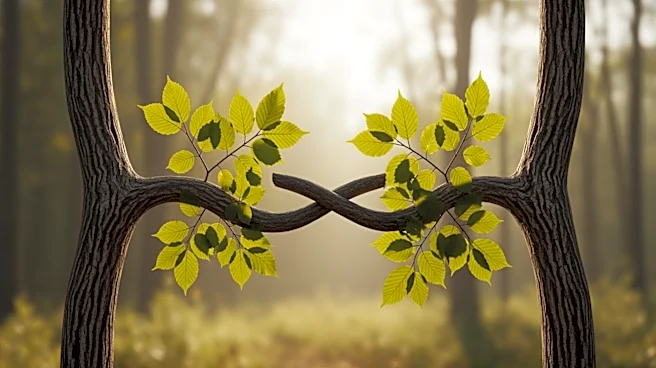









Stepfamilies, also known as blended families, present a unique set of challenges and dynamics that differ from those in traditional nuclear families. These families are formed when one or both partners in a couple have children from previous relationships. The integration of these diverse family members can lead to complex interpersonal dynamics that require careful navigation. This article delves into the challenges and dynamics that are often present in stepfamilies.
Navigating Interpersonal Relationships
One of the primary challenges in stepfamilies is navigating the interpersonal relationships between stepparents and stepchildren. Stepparents often face the difficult task of establishing a bond with their stepchildren, who may have mixed feelings about their presence. Children may feel loyalty to their biological parents and view the stepparent as an intruder or a threat to their family unit.
The relationship between stepparents and stepchildren can be further complicated by the child's relationship with their biological parents. If there is ongoing conflict between the biological parents, it can create tension within the stepfamily. Stepparents must tread carefully to avoid being perceived as trying to replace the biological parent, which can strain their relationship with the stepchildren.
Financial and Living Arrangements
Financial and living arrangements are another area where stepfamilies often face challenges. The merging of two households can lead to financial strain, especially if there are differing expectations about financial responsibilities. Stepparents may feel pressure to contribute financially to their stepchildren's upbringing, even though they are not legally obligated to do so.
Living arrangements can also be a source of tension, particularly if children from previous relationships are adjusting to new siblings and a new home environment. Establishing a sense of belonging and creating a cohesive family unit requires open communication and a willingness to adapt to new circumstances.
Emotional and Psychological Considerations
The emotional and psychological well-being of all family members is a critical consideration in stepfamilies. Children may experience feelings of loss, confusion, or resentment as they adjust to the new family structure. It is important for stepparents to be sensitive to these emotions and provide support and understanding.
Stepparents themselves may experience feelings of insecurity or inadequacy, particularly if they feel excluded from family decisions or if their spouse maintains a close relationship with their ex-partner. Building a strong partnership with their spouse and establishing clear boundaries can help stepparents navigate these emotional challenges.
In conclusion, while stepfamilies face unique challenges, they also offer opportunities for growth and the formation of meaningful relationships. By understanding and addressing the dynamics within stepfamilies, all members can work towards creating a supportive and harmonious family environment.