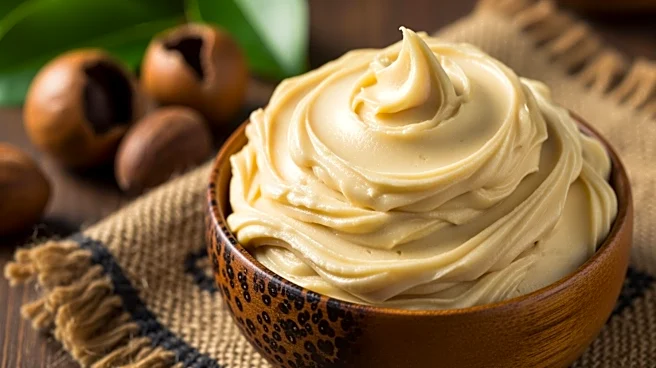









In Burkina Faso, shea butter is more than just a cosmetic ingredient; it is a vital economic resource that empowers women and supports local communities. Known as "women's gold," shea butter production provides financial independence and social empowerment for many women in this West African country. This article explores the impact of shea butter on women's lives in Burkina Faso.
Economic Significance and Women's Involvement
Shea butter is the third most important export in Burkina Faso, following
cotton and livestock. The production of shea butter is predominantly carried out by rural women, who number between 300,000 to 400,000. These women are involved in every stage of the process, from collecting shea nuts to processing them into butter.
The shea tree grows naturally in the wild, and its nuts are harvested and processed through a labor-intensive method that involves over 22 steps to produce just one kilogram of butter. This arduous process is a source of income for many women, providing them with financial independence and the ability to support their families.
Social Empowerment and Community Impact
The involvement of women in the shea butter industry has led to significant social empowerment. Traditionally, women have played a central role in the production of shea butter, but improved economic conditions have allowed them to expand their influence beyond local markets.
Organizations like the Union des groupements Kiswendsida (UGK) have facilitated direct sales to international companies, bypassing middlemen and ensuring that profits reach the women who produce the butter. This empowerment process has fostered a sense of self-respect among the women, earning them recognition within their families and communities.
Challenges and Opportunities for Growth
Despite the positive impact of shea butter production, challenges remain. The quality of shea butter can vary due to differences in post-harvest processing, and there is a need for training to ensure consistent quality. Additionally, economic restructuring policies have affected trade, necessitating support from NGOs and international donors.
The potential for growth in the shea butter industry is significant, with opportunities for increased exports and expanded markets. By continuing to support women's involvement and ensuring fair trade practices, the shea butter industry can further enhance its role in empowering women and contributing to the economic development of Burkina Faso.
Shea butter's impact on women in Burkina Faso is a testament to the power of natural resources in transforming lives and communities. As the industry continues to evolve, it holds the promise of even greater empowerment and economic prosperity for those involved.