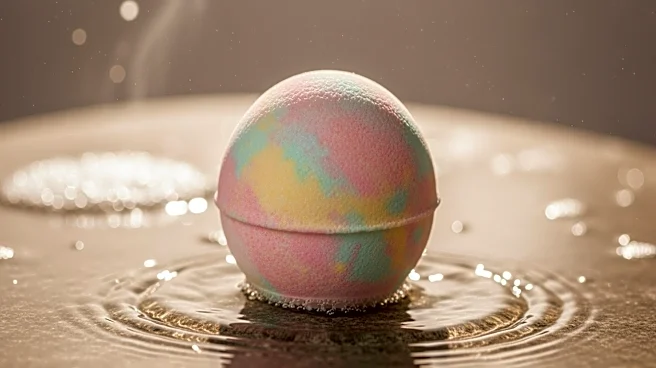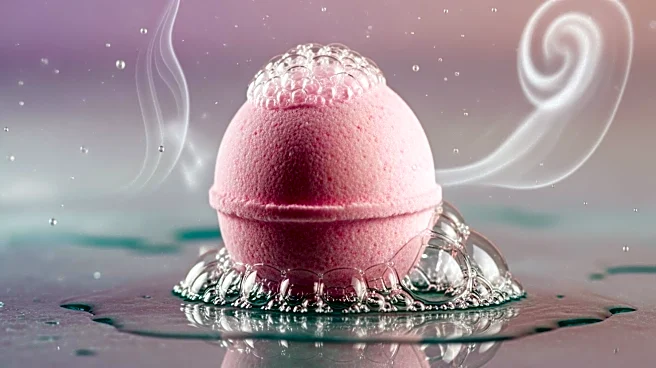







Bath bombs are more than just a colorful addition to your bath; they are a fascinating example of chemistry in action. The fizzing and bubbling that occur when a bath bomb is dropped into water are the result of a specific chemical reaction. This article explores the science behind bath bombs, focusing on the ingredients and reactions that create their signature effervescence.
The Acid-Base Reaction
At the heart of every bath bomb is a simple yet effective chemical reaction
between a weak acid and a bicarbonate base. When dry, these ingredients are unreactive, but when dissolved in water, they react vigorously to produce carbon dioxide gas, which is responsible for the fizzing effect.
The primary acid used in bath bombs is citric acid, while the base is sodium bicarbonate, commonly known as baking soda. The reaction can be represented by the following equation:
C₅H₇O₅CO₂H (aq.) + NaHCO₃ (aq.) → C₅H₇O₅CO₂⁻Na⁺ (aq.) + H₂O (l) + CO₂ (g)
This reaction not only creates bubbles but also helps disperse other ingredients, such as essential oils and colorants, throughout the bathwater.
Enhancing the Bath Bomb Experience
While the acid-base reaction is the core of a bath bomb's fizzing action, other ingredients are added to enhance the overall experience. Scented ingredients and dyes are commonly included to impart a pleasant fragrance and color to the bathwater. Lathering agents, such as sodium lauryl sulfate, are often added to create bubble foams, adding another layer of enjoyment.
The choice of ingredients can vary significantly between different bath bomb products, allowing for a wide range of scents, colors, and effects. This variability is part of what makes bath bombs so appealing to consumers, as they can choose products that suit their personal preferences.
Considerations and Concerns
While bath bombs are generally safe for most people, some additives can cause skin irritation. Common irritants include limonene, linalool, and sodium lauryl sulfate. However, the main ingredients—citric acid and sodium bicarbonate—are typically not considered skin irritants due to their dilution in water.
Understanding the chemistry behind bath bombs not only enhances appreciation for this popular product but also highlights the importance of ingredient selection in creating a safe and enjoyable bathing experience.