
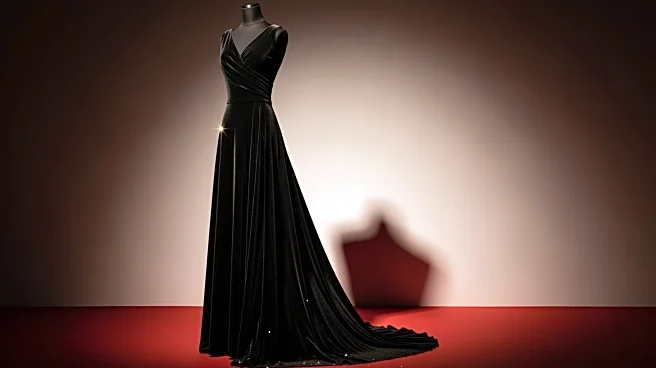

Wrinkle-resistant fabrics have revolutionized the textile industry by offering clothing that maintains a smooth appearance without the need for ironing. These fabrics are treated to resist creases and wrinkles, providing convenience and ease of care for consumers. Understanding the development and characteristics of wrinkle-resistant fabrics sheds light on their impact on fashion and daily life.
Development of Wrinkle-Resistant Fabrics
The concept of wrinkle-resistant fabrics emerged in the
early 20th century as a solution to the problem of easily wrinkled materials like cotton, rayon, and linen. These fabrics were treated with chemical finishes to enhance their dimensional stability and reduce creasing. The treatments involved crosslinking agents that bonded cellulose fibers, making them less prone to movement and wrinkling.
Advancements in textile chemistry led to the introduction of urea-formaldehyde derivatives in the 1940s, which improved the durability and appearance of treated fabrics. By the 1960s, the discovery of DMDHEU, a chemical agent, allowed for the production of high-quality permanent-press fabrics at a lower cost, further popularizing wrinkle-resistant clothing.
Characteristics and Benefits
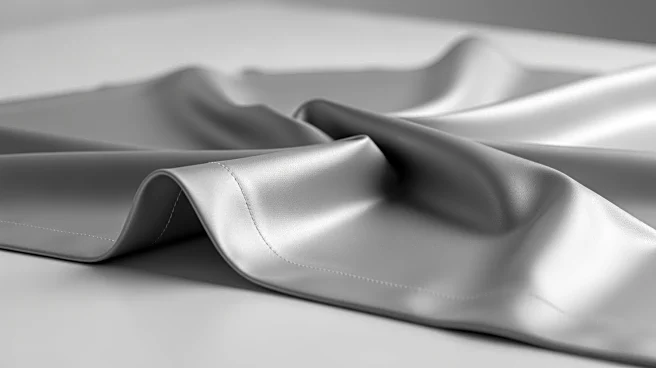
Wrinkle-resistant fabrics are known for their ability to hold their shape and resist external stress. Clothing made from these materials is often marketed as non-iron, wash-and-wear, or easy care, highlighting their low maintenance requirements. These fabrics are particularly beneficial for busy individuals who prefer clothing that requires minimal upkeep.
While wrinkle-resistant fabrics offer convenience, some wearers may experience decreased comfort due to the chemical treatments used. However, the benefits of reduced ironing and maintenance often outweigh these concerns for many consumers. The development of wrinkle-reduction sprays in the 2000s further enhanced the resistance of fabrics to external stress, providing additional options for maintaining a smooth appearance.
Impact on Fashion and Lifestyle
The introduction of wrinkle-resistant fabrics has had a significant impact on fashion and lifestyle, reducing the time and effort required for clothing care. These fabrics have contributed to a decline in ironing, as more consumers opt for easy-care garments. The convenience offered by wrinkle-resistant clothing aligns with modern lifestyles, where efficiency and practicality are highly valued.
As the textile industry continues to innovate, wrinkle-resistant fabrics remain a staple in fashion, offering a blend of style and functionality. Their development reflects the ongoing pursuit of convenience and quality in clothing, making them a popular choice for consumers worldwide.