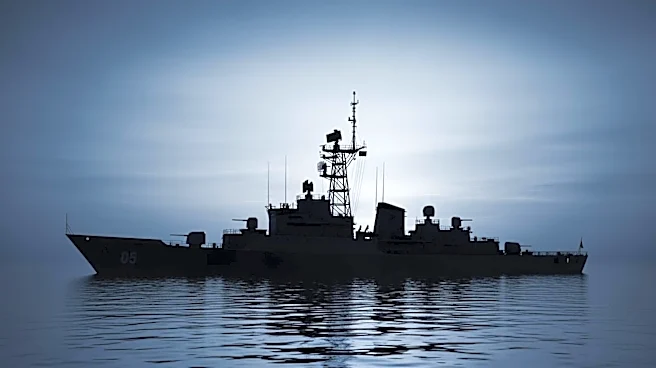






The USS Liberty incident is a significant event in the history of U.S.-Israeli relations, occurring during the Six-Day War in 1967. This incident involved an attack on the USS Liberty, a United States Navy technical research ship, by Israeli forces. The attack resulted in the deaths of 34 crew members and injuries to 171 others, leading to a complex web of investigations and diplomatic exchanges between the two nations.
The Attack on USS Liberty
On June 8, 1967, the USS Liberty
was attacked by Israeli Air Force jet fighter aircraft and Israeli Navy motor torpedo boats. The attack lasted 23 minutes and involved air strafing, napalm bombing, and torpedo launches. The ship was in international waters north of the Sinai Peninsula at the time. Israeli forces ceased their attack after a torpedo impact, believing the ship was sinking.
Israel later apologized for the attack, claiming it was a mistake due to confusion about the ship's identity. However, survivors and some officials disputed this account, suggesting the attack was deliberate. The incident led to various inquiries by both the Israeli and U.S. governments, with differing conclusions about the nature of the attack.
Diplomatic and Financial Repercussions
Following the attack, the Israeli government paid compensation to the U.S. for the families of the deceased and the wounded crew members. In May 1968, Israel paid $3.32 million, followed by $3.57 million in March 1969, and a final settlement of $6 million in December 1980 for material damage to the ship.
The incident strained U.S.-Israeli relations, with accusations of a cover-up by the U.S. government. President Lyndon B. Johnson and Secretary of Defense Robert McNamara were accused of ordering the attack to be ruled an accident despite evidence suggesting otherwise. This controversy has persisted over the years, with various officials and survivors calling for further investigation.
Legacy and Ongoing Controversy
The USS Liberty incident remains a topic of debate and controversy. Some intelligence and military officials continue to dispute Israel's explanation, arguing that the attack was deliberate. The incident has been referenced in antisemitic conspiracy theories, further complicating its legacy.
Despite the passage of time, the USS Liberty incident continues to be a point of contention in discussions about U.S.-Israeli relations. It serves as a reminder of the complexities and challenges in international diplomacy and military engagements.