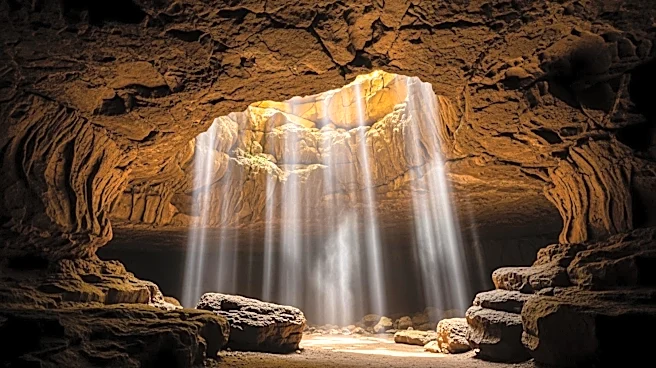




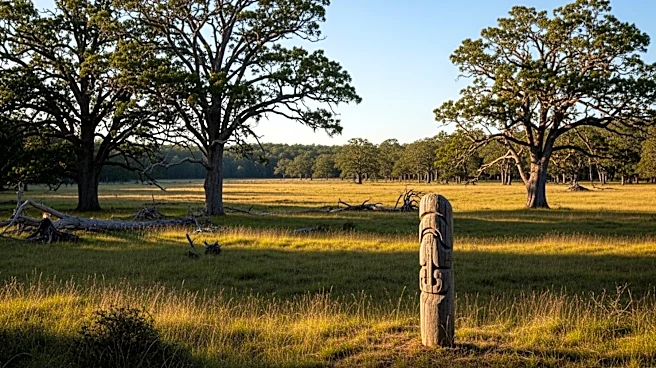

Wind Cave National Park is not only a geological wonder but also a site of profound cultural and spiritual significance to the Lakota people. The cave, known as Washun Niya, holds a special place in Lakota traditions and beliefs, symbolizing their emergence from the underworld. This article explores the deep cultural connections between the Lakota people and Wind Cave.
The Lakota Origin Story
For the Lakota people, Wind Cave is a sacred site that plays a central role in their
origin story. According to Lakota tradition, the cave is the place where their ancestors emerged from the underworld to inhabit the Earth. This emergence is symbolized by the story of Tokahe, the first human to come out of the cave, marking the beginning of the Lakota people's existence in the world.
The cave's significance is further emphasized by its name, Washun Niya, which means "the place where the wind breathes." The Lakota believe that the cave's breathing represents the life force of the Earth, connecting them to their ancestors and the natural world. This spiritual connection underscores the importance of Wind Cave in Lakota culture and identity.
A Sacred Landscape
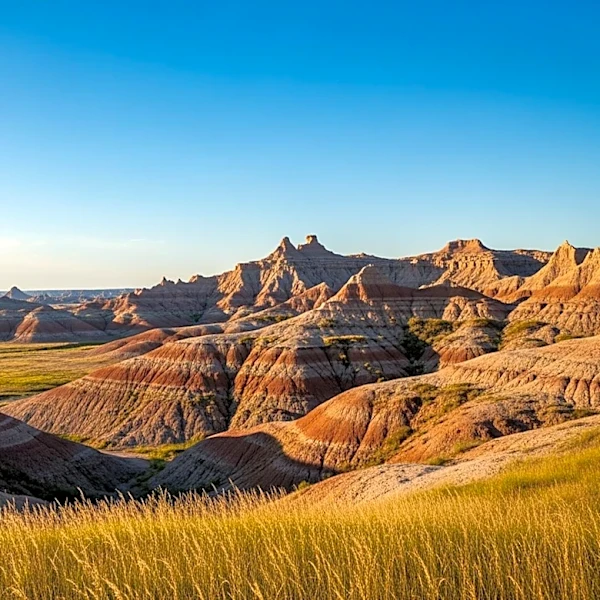
Beyond its spiritual significance, Wind Cave and the surrounding Black Hills region have long been important to the Lakota people for practical reasons. The area, often referred to as a "supermarket," provided abundant resources for survival, including game for hunting and plants for food and medicine. During the harsh winter months, the cave and its surroundings offered shelter and sustenance, making it an ideal location for Lakota camps and settlements.
The Black Hills, including Wind Cave, are considered sacred by the Lakota and other Native American tribes. This sacred landscape is integral to their cultural practices and ceremonies, serving as a place for prayer, reflection, and connection with the spiritual world.
The Impact of Dispossession
The history of Wind Cave is also marked by the dispossession of the Lakota people from their ancestral lands. Treaties with the U.S. government, such as the Treaty of Fort Laramie, initially recognized Lakota land rights but were later violated, leading to the loss of their territory. The establishment of Wind Cave National Park in 1903 further solidified this dispossession, as the land was designated for public use without regard for its cultural significance to the Lakota.
Despite these challenges, the Lakota people continue to honor and preserve their cultural heritage associated with Wind Cave. Efforts to recognize and respect the cultural significance of the cave are ongoing, highlighting the need for greater understanding and collaboration between the park and the Lakota community.
In conclusion, Wind Cave is a site of immense cultural and spiritual importance to the Lakota people. Its role in their origin story and its sacred status underscore the deep connections between the Lakota and this unique natural landscape.