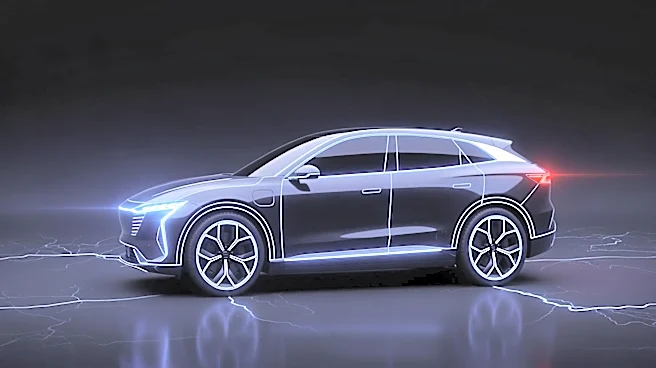



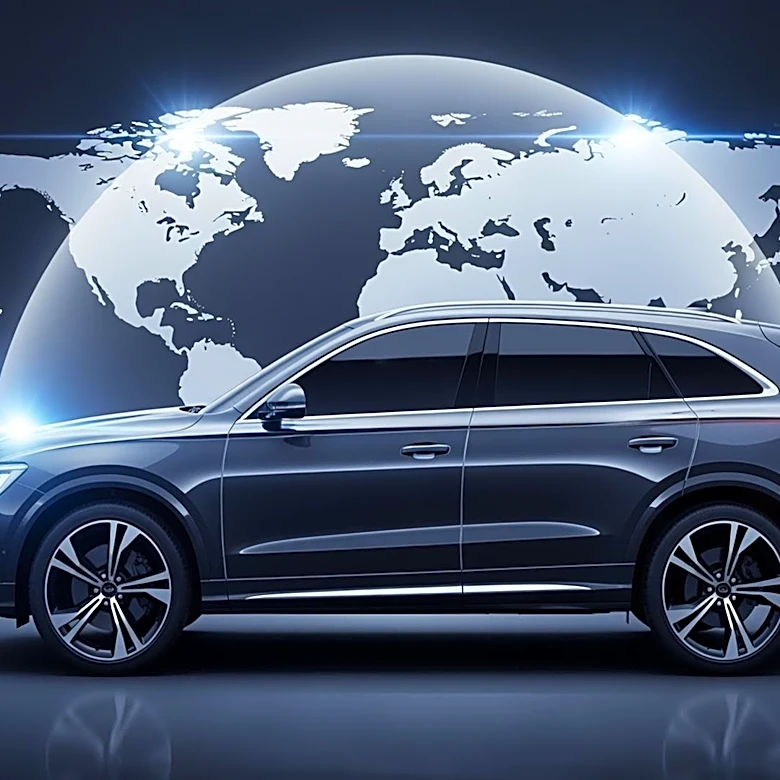
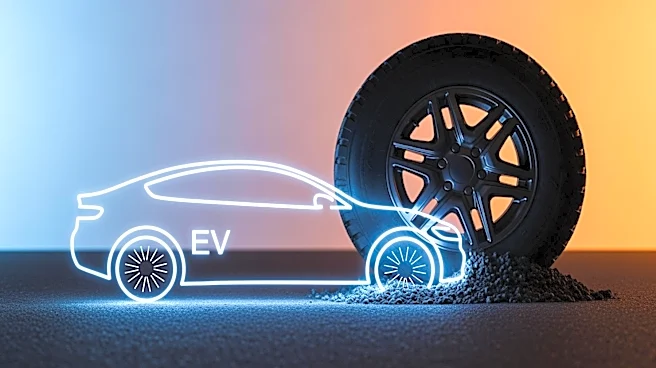
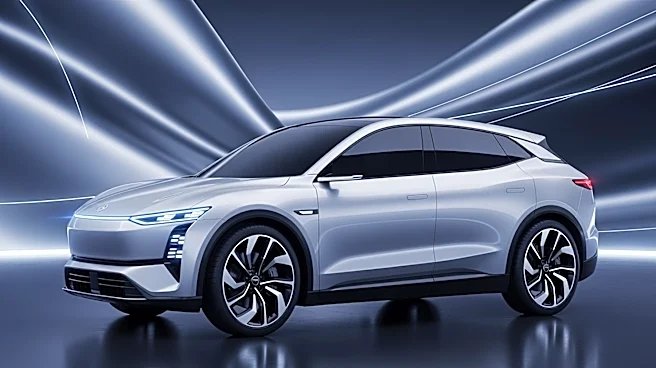
The Toyota RAV4 EV, an all-electric version of the popular RAV4 SUV, faced numerous challenges throughout its production but ultimately triumphed as a significant player in the electric vehicle market. From its initial introduction in 1997 to its final production in 2014, the RAV4 EV navigated technological, regulatory, and market hurdles, emerging as a testament to Toyota's commitment to innovation and sustainability.
Technological Challenges
One of the primary challenges
faced by the Toyota RAV4 EV was the development and implementation of effective battery technology. The first generation RAV4 EV utilized a nickel-metal hydride battery, which, while innovative at the time, presented limitations in terms of range and efficiency. Despite these challenges, the RAV4 EV managed to achieve an EPA-rated range of 95 miles, showcasing Toyota's ability to overcome technological barriers.
The second generation RAV4 EV marked a significant advancement in battery technology, featuring a lithium-ion battery pack developed in collaboration with Tesla Motors and Panasonic. This partnership allowed Toyota to leverage Tesla's expertise in electric powertrains, resulting in an improved range of 103 miles. The collaboration highlighted the importance of strategic alliances in overcoming technological challenges and advancing electric vehicle technology.
Regulatory and Market Hurdles
The Toyota RAV4 EV also faced regulatory and market challenges, particularly in terms of meeting zero-emissions vehicle mandates and navigating patent encumbrances. The first generation RAV4 EV was primarily sold in California to meet the state's mandate for zero-emissions vehicles, limiting its availability in other markets. Additionally, Chevron's control over the patent rights for the nickel-metal hydride battery posed a significant hurdle, impacting the availability of the battery and the continuation of production.
Despite these challenges, Toyota managed to sell or lease approximately 1,900 units of the first generation RAV4 EV, demonstrating its ability to navigate regulatory and market hurdles. The second generation RAV4 EV, with its limited production run of 2,600 units, continued to face market challenges, but its improved technology and strategic targeting of key markets allowed it to achieve success.
Triumphs and Legacy
The Toyota RAV4 EV's triumphs in the electric vehicle market are a testament to Toyota's resilience and commitment to innovation. Despite the challenges faced, the RAV4 EV emerged as a pioneering electric SUV, influencing the development of future models and shaping the industry's approach to sustainable transportation.
The lessons learned from the RAV4 EV have informed Toyota's ongoing efforts to innovate and expand its electric vehicle offerings. The RAV4 EV's legacy continues to influence the development of newer models, ensuring that Toyota remains at the forefront of sustainable automotive innovation.